
MA fashion entrepreneurship: Design, Brand Innovation and Business Strategy
Quick Answer
MA fashion entrepreneurship is a postgraduate route for designers and creative founders who want to turn ideas into viable fashion brands. It combines design thinking, brand innovation, business strategy, and launch planning, so graduates can develop a concept, test it, and move toward market-ready action with confidence.
MA fashion entrepreneurship is for applicants who already know they want a postgraduate path that joins creativity with commercial direction. It is not just about making beautiful collections. It is about shaping a brand, understanding the market, and building a clear route from concept to launch. At JCA London Fashion Academy, this route sits within a practical, industry-aware environment designed for ambitious designers and creative entrepreneurs. If you want to explore the wider study landscape first, you can also review Fashion Academy London and see how the academy supports fashion, brand innovation, and enterprise learning. This page is built for decision-making. It gives you the essentials on what MA fashion entrepreneurship covers, who it suits, what you may study, and how to prepare a strong application. It also helps you judge whether this is the right next step if you want London-based postgraduate study with a clear commercial edge.
What is MA fashion entrepreneurship?
MA fashion entrepreneurship is a postgraduate pathway that develops both creative and commercial thinking. In simple terms, it helps you design fashion ideas that can become real brands. That means learning how to shape a concept, position it in the market, and plan how it can grow.
This route is ideal if you want more than design skill alone. You want strategic clarity as well. MA fashion entrepreneurship brings together brand identity, audience insight, product direction, and launch planning. As a result, you work like a designer and a founder.
At JCA, the approach is practical and future-facing. It is designed for applicants who want to build strong creative direction while also understanding how a fashion business works. If you are comparing postgraduate routes, it can help to review Full Time Courses and Study Fashion in London: A Guide for Future Designers and Creative Entrepreneurs to see how this MA sits within the wider study journey.
For context, many postgraduate fashion students also look at public-facing course descriptions from other providers to understand how entrepreneurship is taught in practice. For example, MA Fashion Entrepreneurship and Innovation and Fashion, Enterprise and Society MA show how this area often blends creative development with enterprise thinking. JCA’s version is positioned for applicants who want a focused, action-led postgraduate experience in London.
Design thinking and brand innovation
Design thinking is central to MA fashion entrepreneurship. It helps you solve creative problems with intention, not guesswork.
Brand innovation follows naturally. You learn how to make your concept distinctive, relevant, and commercially understandable. That matters because a strong fashion brand needs both aesthetic identity and market logic. In practice, this may involve refining your customer, your visual language, and your product story at the same time.
Who should apply for MA fashion entrepreneurship?
MA fashion entrepreneurship is best for applicants who want to lead, not just create. If you are a designer, creative graduate, career changer, or emerging founder with a clear idea for a fashion brand, this route may fit well.
It also suits people who already understand that fashion careers are changing. Many applicants now want flexibility, independence, and the ability to build their own label or creative service. Therefore, MA fashion entrepreneurship is a strong option for students who want a postgraduate degree with direct relevance to brand building.
This page is for serious applicants, so it is worth using the next step tools early. You can start with the Pre Application Form if you want personalised guidance before applying. You can also browse Fashion Courses in London: Degrees, Short Courses and Entrepreneurship Pathways if you are still comparing routes.
For applicants who like to see how creative enterprise is presented publicly, it can also help to explore the wider conversation around fashion entrepreneurship. The Instagram presence of Entrepreneurship & Innovation (@lcfentrepreneurs) shows how fashion enterprise thinking often connects with student work, showcases, and brand-led projects. That kind of visibility matters, because MA fashion entrepreneurship is rarely only academic. It is usually about output, presentation, and momentum.
What will you study on MA fashion entrepreneurship?
MA fashion entrepreneurship usually combines creative development with business planning. At JCA, the emphasis is on practical fashion outcomes, so you are encouraged to connect ideas to action from the start.
You can expect a curriculum shaped around brand identity, strategy, and launch readiness. That means the course is not only about inspiration. It is about making decisions that help a fashion concept move forward with clarity.
If you want a broader view of how JCA supports enterprise-led study, the Fashion Entrepreneurship Course: Learn to Build, Launch and Grow a Fashion Brand page gives useful context. For learners who want shorter, more flexible options alongside postgraduate study, Short Courses can also support skill-building.
Watch this practical example of student-led idea generation to see how MA fashion entrepreneurship can move from concept to direction.
The key areas below show how the course typically builds confidence and commercial awareness.
H3: Design thinking and brand innovation
This part of MA fashion entrepreneurship helps you turn a concept into a distinctive brand idea. You may explore research, audience needs, visual identity, and product positioning.
The goal is simple. Create a fashion idea that feels original and makes sense in the market. That is why design thinking matters. It keeps the work grounded and focused.
H3: Fashion business strategy
Fashion business strategy covers how a brand fits into the market. You look at pricing logic, customer fit, communication, and growth direction.
This is where many applicants gain confidence. A strong idea becomes more usable when you understand how to talk about it, sell it, and sustain it.
H3: Entrepreneurship and launch planning
Entrepreneurship and launch planning bring everything together. You begin to think about timing, channels, audience, and next steps.
As a result, MA fashion entrepreneurship becomes more than study. It becomes preparation for a brand, a studio practice, or a professional next move.
MA fashion entrepreneurship entry requirements and portfolio expectations
MA fashion entrepreneurship entry requirements are usually based on your academic background, creative experience, and motivation. The strongest applications show that you understand both fashion and the business side of a brand.
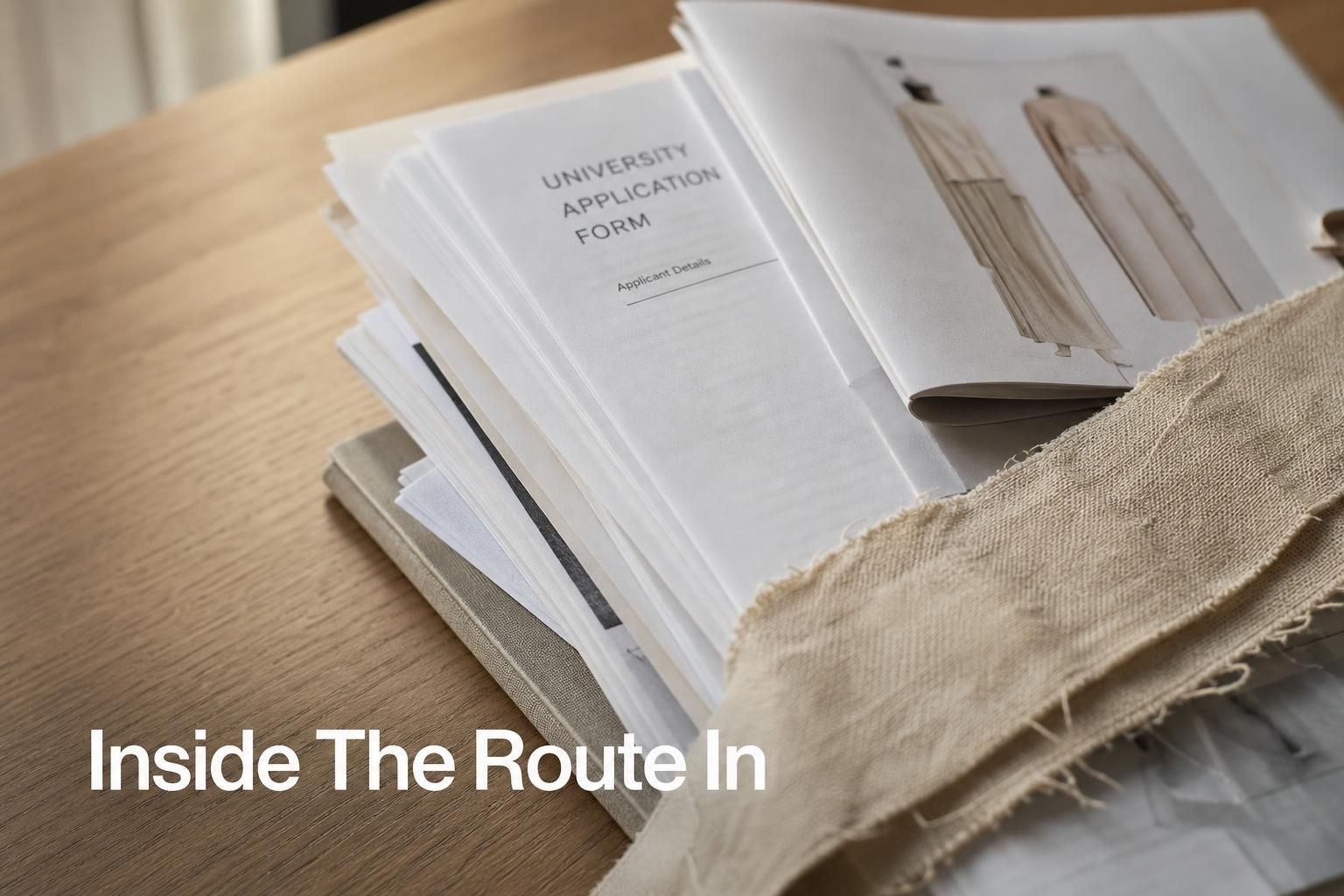
Your portfolio should support that story. It does not need to be overcomplicated, but it should be clear, well-edited, and relevant. Show your ideas, process, and visual thinking. If you have brand concepts, product development, research work, or entrepreneurial projects, include them.
For many applicants, the most important question is not only whether they are “qualified enough.” It is whether they can show a believable direction. That is especially true for MA fashion entrepreneurship, because the course is designed for people with ambition and intent.
If you want help before applying, use the Pre Application Form. It is a practical way to ask questions and clarify your route. You can also revisit JCA Academy: Programmes, Admissions, Industry Links and Student Life to understand the academy environment more fully.
This alumni interview offers a useful first-hand perspective on how MA fashion entrepreneurship can support career development and creative direction.
For applicants considering London as a study base, the location matters too. A city like London gives you access to fashion culture, retail context, and a dense creative network. That environment strengthens the relevance of MA fashion entrepreneurship because the city itself becomes part of your learning.
What careers can MA fashion entrepreneurship lead to?
MA fashion entrepreneurship can lead to independent brand building, creative direction, fashion start-up work, and consultancy-style roles. It is especially valuable if you want to shape your own future rather than wait for a fixed pathway.
Many graduates use MA fashion entrepreneurship to launch labels, refine business ideas, or build a more strategic profile for the industry. Others use it to move into brand development, fashion management, or creative project leadership. The route is flexible because it trains both imagination and decision-making.
That flexibility is one reason the qualification has strong transactional appeal for postgraduate applicants. You are not only buying study time. You are investing in your next professional phase.
If you want to explore broader fashion direction after this page, Fashion Design Courses in London: How to Choose the Right Route can help with comparison. If you are already ready to apply, consider attending a taster evening or starting with the prospectus request process through JCA’s main site at JCA | London Fashion Academy – Shaping the Future of Fashion Design & Entrepreneurs.
For applicants who want a useful external benchmark, the postgraduate route MA Creative & Cultural Entrepreneurship: Fashion Pathway shows how creative entrepreneurship is often framed at master's level. Meanwhile, MBA Fashion Entrepreneurship demonstrates that fashion enterprise can also sit within broader business study. MA fashion entrepreneurship stays closest to the creative brand-making process.
Attend a taster evening or request a prospectus for MA fashion entrepreneurship
The best next step for MA fashion entrepreneurship is to see whether the course feels right for your goals. A taster evening, prospectus request, or pre-application conversation can give you practical clarity.
This is especially useful if you already know you want postgraduate study, but need to confirm fit. You can use JCA’s admissions journey to move from interest to action. Start with the Pre Application Form, then explore the wider academy offer through Fashion Academy London: Study Fashion, Brand Innovation and Entrepreneurship at JCA.
If your ambition is to build a brand, MA fashion entrepreneurship gives you a structured place to do it. It connects concept, strategy, and launch thinking in one route. That is why it works so well for applicants who want a creative master's with commercial purpose.
In other words, MA fashion entrepreneurship is not just a course title. It is a decision point. If you are ready to turn design ambition into business direction, this route is worth exploring now.
Key Takeaways
- MA fashion entrepreneurship blends creative development with brand strategy and launch planning.
- It suits designers, career changers, and aspiring founders who want a postgraduate route with commercial purpose.
- A strong application should show creative direction, brand thinking, and a clear sense of future goals.
- JCA’s pathway is designed to support practical, industry-aware fashion entrepreneurship in London.
- The best next step is to request guidance early and assess whether the course matches your brand ambitions.
Frequently Asked Questions
What is MA fashion entrepreneurship?
MA fashion entrepreneurship is a postgraduate course route that blends design, branding, and business strategy. It is designed for students who want to develop a fashion idea into a viable brand or enterprise. The focus is on creative originality and practical launch planning, so you can move from concept to action with confidence.
Who is MA fashion entrepreneurship best for?
MA fashion entrepreneurship is best for designers, creative graduates, and career changers who want to build or lead a fashion brand. It also suits applicants who want a postgraduate route with a clear commercial outcome. If you want to combine creativity with entrepreneurship, this is a strong fit.
What should I include in my portfolio for MA fashion entrepreneurship?
Your portfolio should show your creative thinking, process, and direction. Include brand ideas, design development, research, visual inspiration, and any entrepreneurial projects if you have them. Strong portfolios for MA fashion entrepreneurship are clear, relevant, and well edited, rather than overly packed.
What can I do after MA fashion entrepreneurship?
After MA fashion entrepreneurship, you may move into brand creation, creative direction, fashion start-up development, or related commercial roles. Some graduates use the course to launch a label, while others use it to strengthen their profile for fashion leadership and strategy roles. The outcome depends on your goals and how you build your final project.