
Fashion Entrepreneurship Course London: MA & Short Programmes
Quick Answer
A fashion entrepreneurship course helps you turn creative ideas into a viable brand. It combines business strategy, brand innovation, and product thinking, so you learn how to validate an idea, shape a collection, and plan startup steps with real industry context.
A fashion entrepreneurship course is for creatives who want more than design skills. It helps you build a brand, test a business idea, and understand how fashion companies grow in the real world. At JCA Academy, that journey can lead into postgraduate study, short programmes, and industry-connected learning in London. If you want a route that blends creativity with commercial thinking, this is where a fashion entrepreneurship course becomes practical, not theoretical. You can also explore the academy’s wider pathway through JCA Academy, where fashion education meets brand-building, communication, and entrepreneurial training. For many applicants, the appeal is simple: they want to create something original and understand how to launch it well. That means learning how to position a concept, speak to customers, and make smart early decisions. A strong fashion entrepreneurship course should support all of that, while keeping the work grounded in studio practice and industry insight.
What is a fashion entrepreneurship course, and who is it for?
A fashion entrepreneurship course teaches you how to build, launch, and grow a fashion brand. It combines creative development with business planning, so you understand both the product and the market.
This kind of course suits aspiring designers, mature students, postgraduate applicants, and school leavers who want a commercial edge. It is especially useful if you already have ideas for labels, luxury concepts, or niche brands. A good fashion entrepreneurship course also helps you think like a founder. That means learning how to shape a clear brand story, identify a customer, and communicate value.
The best programmes go beyond theory. They ask you to test concepts, refine your positioning, and present work with confidence. That is why many students choose an industry-connected setting like Departments of Branding, Communication and Entrepreneurship. It keeps the work focused on how brands actually operate.
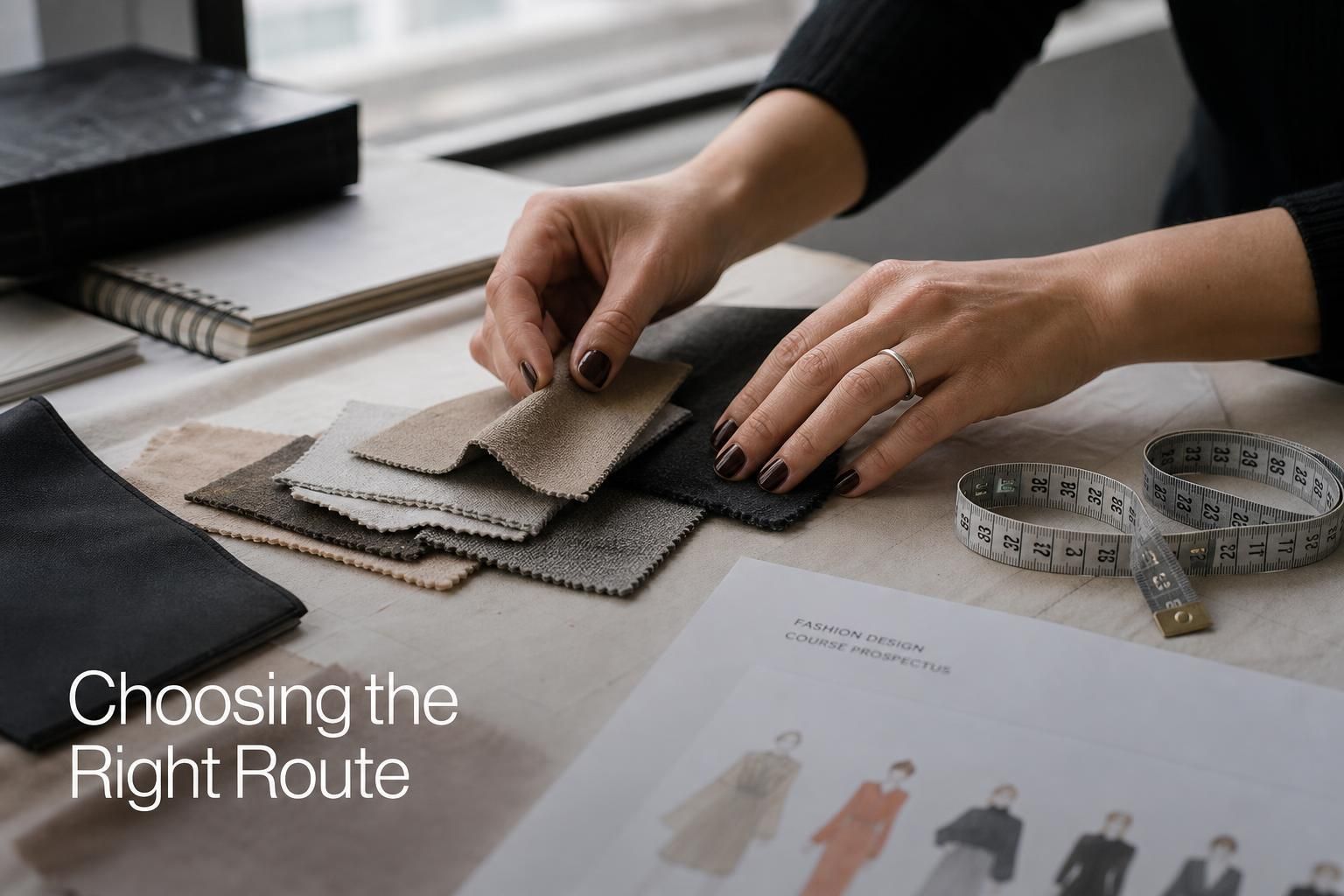
If you want a broader view of the subject, it helps to compare academic and practical routes. For example, the UCAS course listing for fashion entrepreneurship at the University of East London shows how the subject is framed within higher education, while JCA’s own route focuses on design, brand innovation, and entrepreneurial practice. You can review that external perspective here: fashion entrepreneurship course overview on UCAS.
In practical terms, a fashion entrepreneurship course usually covers:
- brand idea development
- audience research and positioning
- collection concept and product strategy
- communication and promotion
- launch planning and next steps
That mix is what makes the subject valuable. It prepares you to think creatively and act commercially.
How does fashion entrepreneurship work in practice?
Fashion entrepreneurship works by turning an idea into a structured brand plan. You start with a clear concept, then test whether it has a place in the market. After that, you refine the product, the message, and the launch path.
This is where a fashion entrepreneurship course becomes useful. It gives you the tools to ask better questions. Who is the brand for? What problem does it solve? Why should someone choose it? Those questions matter because creative talent alone rarely builds a sustainable label.
At JCA Academy, this mindset aligns with entrepreneurial training that is grounded in fashion, not detached from it. Students are encouraged to connect design thinking with brand development, which is exactly what early-stage founders need.
MA Fashion Entrepreneurship in Design and Brand Innovation
The MA Fashion Entrepreneurship in Design and Brand Innovation is the strongest postgraduate route for applicants who want deeper strategy and clearer startup direction. It is a fashion entrepreneurship course for people who want to create new ideas and understand how to lead them into market-ready form.
This programme is ideal if you want advanced support in brand innovation, creative direction, and entrepreneurial decision-making. It suits students who already have a design background, as well as those moving from fashion management or related creative studies. The focus is not only on making garments or images. It is also about shaping an original brand model.
A strong postgraduate fashion entrepreneurship course should help you develop a sharper point of view. It should also make you more confident when talking to collaborators, employers, or investors. That is why JCA’s MA route is positioned around design and brand innovation, rather than business theory alone. For applicants who want to experience the teaching style before applying, the MA Fashion Entrepreneurship in Design and Brand Innovation Taster Evening is a useful first step.
For comparison, some learners prefer to explore a broader fashion business certificate or an externally focused professional course. For context, you can also look at the industry-facing approach in Vogue Fashion Business, or the more professional route offered through Fashion Entrepreneurship - Professional. These can be useful comparisons when deciding whether you need academic depth or shorter, career-led study.
What makes the MA route stand out is the startup outcome. A focused fashion entrepreneurship course should help you leave with more than ideas. You should finish with a clearer brand direction, stronger presentation skills, and a more believable route to launch.
Why brand innovation matters as much as business planning
Brand innovation matters because new fashion labels need a reason to exist. If your concept looks like everyone else’s, it becomes hard to stand out.
A fashion entrepreneurship course with a brand innovation focus helps you build distinction early. That includes your visual identity, tone of voice, product direction, and customer experience. When those parts work together, the brand feels coherent.
This is especially important in luxury fashion, where perception shapes value. Students who learn how to link concept, craft, and communication are usually better prepared for startup realities.
Short Courses & Summer Programmes for fashion entrepreneurship course learners
A short fashion entrepreneurship course is best if you want a faster, more focused introduction. It helps you build confidence, test ideas, and understand the basics without committing to a full degree.
This route is often right for school leavers, career changers, and creative students who want a taste of brand building. It can also help postgraduate applicants prepare for deeper study. If you are unsure whether to commit to a long programme, a short fashion entrepreneurship course gives you a low-risk way to explore the subject.
JCA Academy’s short-form learning is useful for this stage because it keeps the experience practical. The Fashion Summer Camp is a good example of how younger creatives can develop industry awareness early. It is also worth exploring Industry Connections if you want to understand how networking, studio exposure, and professional contact can support your next move.
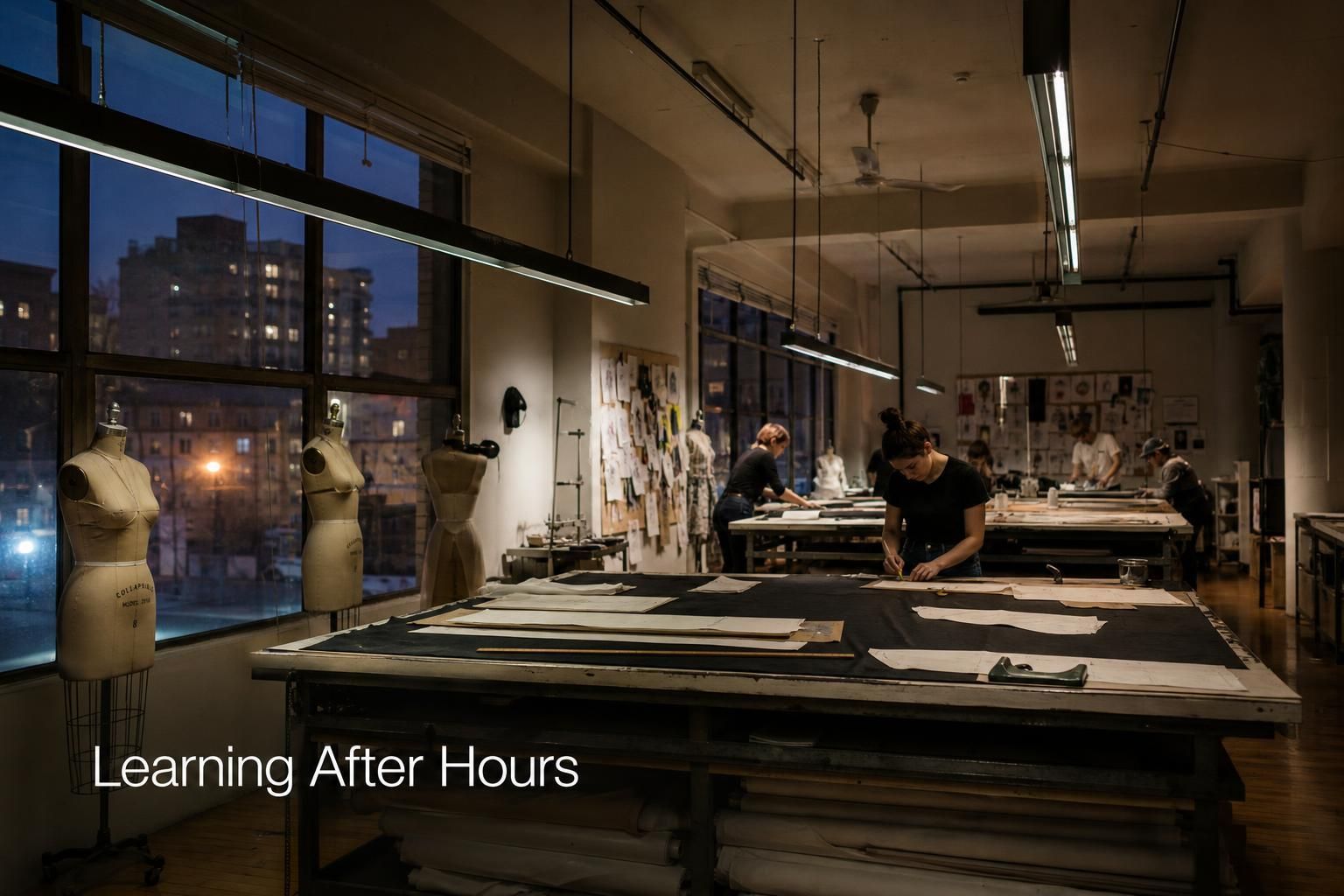
Some students also prefer to learn through observation before they apply. In that case, a studio visit experience can help you see how creative teaching feels in practice. That matters, because a good fashion entrepreneurship course should feel ambitious but accessible.
Short programmes usually focus on:
- idea generation
- brand identity basics
- communication and storytelling
- market awareness
- next-step planning
If you want a comparison with a student-style review of a certificate format, this video can help frame what focused business learning feels like:
You can also watch a practical founder perspective if you want a more informal angle on building a clothing brand:
Short study works best when it gives you momentum. Therefore, the right fashion entrepreneurship course should leave you with a clearer concept, not just a set of notes.
How long is a fashion entrepreneurship course?
A fashion entrepreneurship course can last from a short programme to a full postgraduate degree. The length depends on your goal, your experience, and how deep you want to go.
Short programmes are useful for fast learning and early exploration. MA study is better if you want structured development, stronger critique, and a more advanced startup outcome. The best option is the one that matches your stage, not the one that sounds most impressive.
If you need a flexible first step, short study can be the smartest route. If you want to build a serious brand strategy, postgraduate learning usually makes more sense.
How to apply and what to prepare for a fashion entrepreneurship course
Applying to a fashion entrepreneurship course should feel focused, not overwhelming. The main goal is to show your creativity, your ambition, and your willingness to develop.
Most applicants should prepare a portfolio, a personal statement, and examples of work that reveal thought process as well as finished pieces. If you are applying to a more advanced route, you should also explain your brand interests, your goals, and why London is the right place to study. A strong application shows that you are ready to think beyond aesthetics.
At JCA Academy, applicants can also explore practical support through the application pathway for BSc (Hons) Fashion Management and Strategy with Foundation Year if they want a related undergraduate option. For those still researching, the prospectus request page is a useful way to compare routes and understand the academy’s wider offer.
Before you apply, make sure you can answer these questions clearly:
- What kind of brand do you want to build?
- Who would buy it?
- What makes your idea different?
- What skills do you want to improve?
- Why is this the right fashion entrepreneurship course for you?
Those answers matter because they show direction. They also help tutors see your potential. In addition, they make your application more memorable.
If you are relocating, it may also help to plan early for student accommodation information. That is especially relevant for international applicants and anyone moving to London for study.
Ultimately, the strongest applications feel specific. They show curiosity, commitment, and a real desire to turn creative thinking into a brand-ready future.
What should be in a portfolio for fashion entrepreneurship?
A fashion entrepreneurship portfolio should show ideas, not just polished outcomes. Include sketches, research notes, moodboards, concept pages, and any branding experiments that show how you think.
You do not need to present a finished label. However, you do need to show that you can develop a concept with purpose. That is what tutors look for in a fashion entrepreneurship course application.
If you have experimented with styling, visuals, communication, or product ideas, include them. Those pieces help prove that you are ready to build.
Which course is best for entrepreneurship in fashion?
The best course is the one that matches your level and your goal. If you want advanced startup thinking, an MA fashion entrepreneurship course is often the strongest route. If you want a faster introduction, a short programme may be better.
A good fashion entrepreneurship course should give you three things: creative direction, commercial understanding, and a clear next step. Without those, the course may be interesting but not useful. With them, it becomes a launchpad.
For many students, the ideal path is progressive. They start with short-form learning, attend an open evening, and then decide whether to apply for postgraduate study. That is why events such as the MA Fashion Entrepreneurship in Design and Brand Innovation Taster Evening matter. They help you assess fit before making a bigger commitment.
If you are comparing options, look for these signs of quality:
- industry-connected teaching
- brand innovation focus
- practical startup outcomes
- portfolio and application support
- clear links between creativity and business
In other words, the best fashion entrepreneurship course is not simply the most prestigious one. It is the one that helps you build something real. That is the outcome most applicants want, and it is the standard JCA positions throughout its fashion education offer, including JCA Academy London: Fashion Design & Entrepreneurship Degrees for the Next Generation and the broader fashion design courses London 2025 overview.
When your course supports original thinking, confident presentation, and startup readiness, it becomes more than study. It becomes the first step in a brand journey.
Key Takeaways
- A fashion entrepreneurship course teaches you to build a fashion brand, not just design one.
- The MA route is best for applicants who want brand innovation, strategy, and startup readiness.
- Short programmes are useful for fast skill-building, testing ideas, and early exploration.
- Strong applications need a focused portfolio, a clear brand idea, and a practical reason for choosing London.
- The best course is the one that matches your stage, goals, and need for industry-connected learning.
Frequently Asked Questions
What are some good courses for fashion entrepreneurship?
Good options include postgraduate MA routes, short creative business programmes, and industry-led certificates. The best fashion entrepreneurship course depends on whether you want deep strategy, fast upskilling, or an introduction to brand building. Look for courses that combine entrepreneurship, design thinking, and real-world branding.
What is fashion entrepreneurship?
Fashion entrepreneurship is the process of turning a fashion idea into a working business. It combines design, branding, product thinking, and commercial planning, so you can build a label with purpose rather than just a concept.
Which course is best for entrepreneurship?
The best course is the one that matches your stage and goal. If you want a startup-ready skill set, a fashion entrepreneurship course at MA level is often strongest because it offers structured development, critique, and brand innovation support.
How long is an entrepreneurship course?
It can be short or long, depending on the programme. A fashion entrepreneurship course may run as a short course, a summer programme, or a full postgraduate degree, so the right choice depends on how much time and depth you need.