Luxury Fashion Design School: How to Train for High-End Fashion and Brand Innovation
Quick Answer
A luxury fashion design school trains students to design premium garments and accessories, shape distinctive brand identities, and understand luxury market strategy. The best programs combine craft, portfolio development, entrepreneurship, and industry insight, so graduates can create products and brands that feel refined, original, and commercially viable.
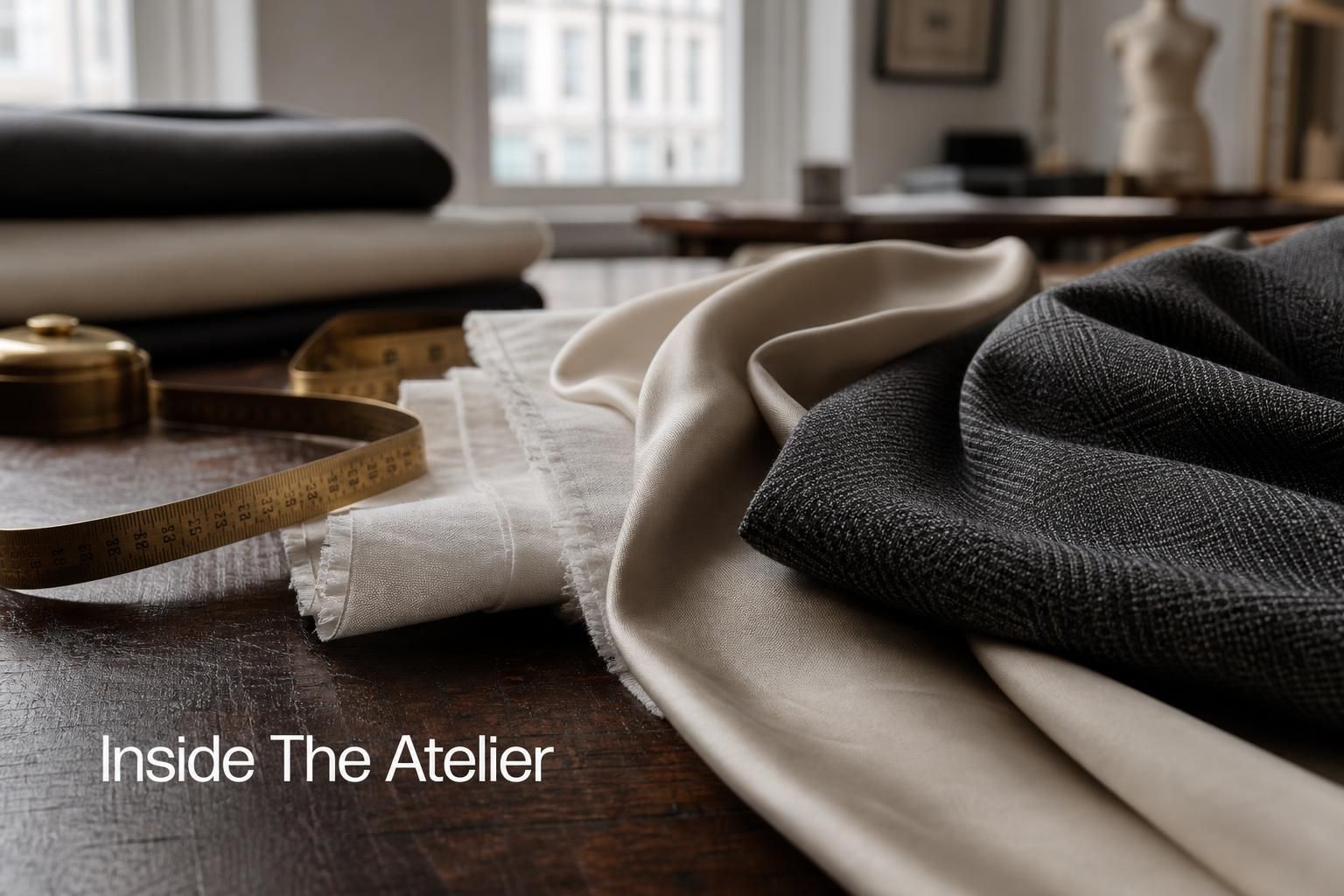
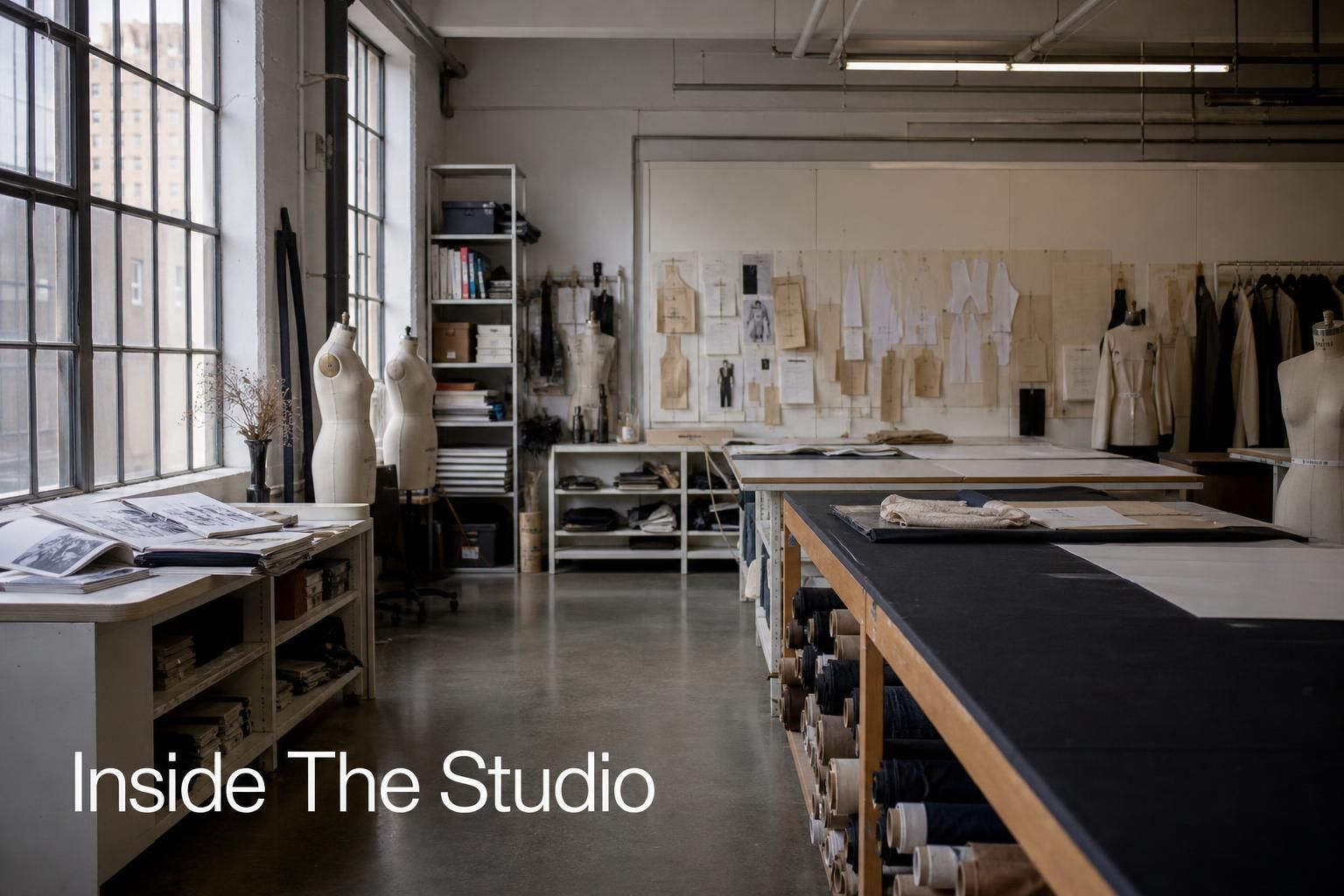
A luxury fashion design school is more than a place to learn sketching or sewing. It is a training ground for designers who want to create polished products, strong brand stories, and market-ready collections for premium audiences. At JCA London Fashion Academy, that means combining luxury craft with entrepreneurship, accessories design, fashion communication, and strategic thinking. If you want a route into high-end fashion that also supports business growth, a luxury fashion design school can give you a clearer path than a purely theoretical course. It helps you build a portfolio, understand brand positioning, and learn how luxury buyers judge detail, quality, and identity. For students comparing options, the right route often includes practical study, mentorship, and a London setting. You can explore JCA’s Fashion Academy London page for a broader view of the academy’s approach, or use the Pre Application Form if you want guidance before applying.
What Is a Luxury Fashion Design School?
A luxury fashion design school teaches students how to create fashion for premium markets. It focuses on quality, craftsmanship, brand language, and commercial value, not just creative concepting.
In practice, a luxury fashion design school helps you learn how products are judged in high-end fashion. That includes silhouette, fabric choice, finishing, fit, and presentation. It also covers how luxury brands build trust through consistency and storytelling. If you are aiming for designer-level careers, this kind of training matters because the market rewards precision and identity.
The strongest programmes also connect design to business. That means learning how a collection supports a brand, how accessories extend a product world, and how customers interpret value. JCA’s Luxury Fashion Design Course is shaped around that blend of creativity and commercial awareness. It suits students who want to design beautifully, but also think like founders and brand builders.
If you are researching wider options, it helps to compare course structure, not only reputation. Some directories such as Top fashion schools around the world show how broad the global field is. However, the right luxury fashion design school for you should match your goals, schedule, and portfolio stage.
A practical route is especially useful if you want direct feedback and a defined pathway. That is why many students start with a focused programme like a foundation or short course before moving into degree-level study. In addition, a boutique academy can feel more personal and more responsive to individual ambition.
JCA also offers routes beyond design alone. If your interest includes brand growth, retail direction, or premium product strategy, the academy’s course range gives you room to specialise without losing the luxury focus.
Why does luxury fashion training look different from general fashion study?
Luxury fashion training is more exacting. It expects students to think about finish, brand coherence, and the emotional value of the product.
A luxury fashion design school also tends to emphasize presentation and concept development. Therefore, students learn to build collections that feel refined from first sketch to final outcome. That is important because luxury customers often buy into the story as much as the garment.
Luxury Fashion Design School Skills: What Do You Need to Succeed?
The best students in a luxury fashion design school combine craft, curiosity, and commercial awareness. They do not just make attractive pieces. They also understand why a premium customer would choose one brand over another.
You need three skill sets to thrive. First, you need technical control. Second, you need a strong design identity. Third, you need an understanding of market positioning. These skills work together, especially in luxury where details carry meaning.
A useful way to think about it is this: luxury fashion is built on trust. If your seams, shapes, fabrics, and finishes feel careless, the brand message weakens. If your concept is clear and your product feels considered, the brand becomes more credible. That is why a luxury fashion design school should teach both making and meaning.
For students who want to see how premium education is framed internationally, the overview at The Paris School of Fashion is useful as a reference point. For a UK-based route, JCA focuses on hands-on learning, entrepreneurship, and a London context. You can also compare pathways through JCA’s Fashion Courses in London page, which brings together degree, foundation, and entrepreneurship options.
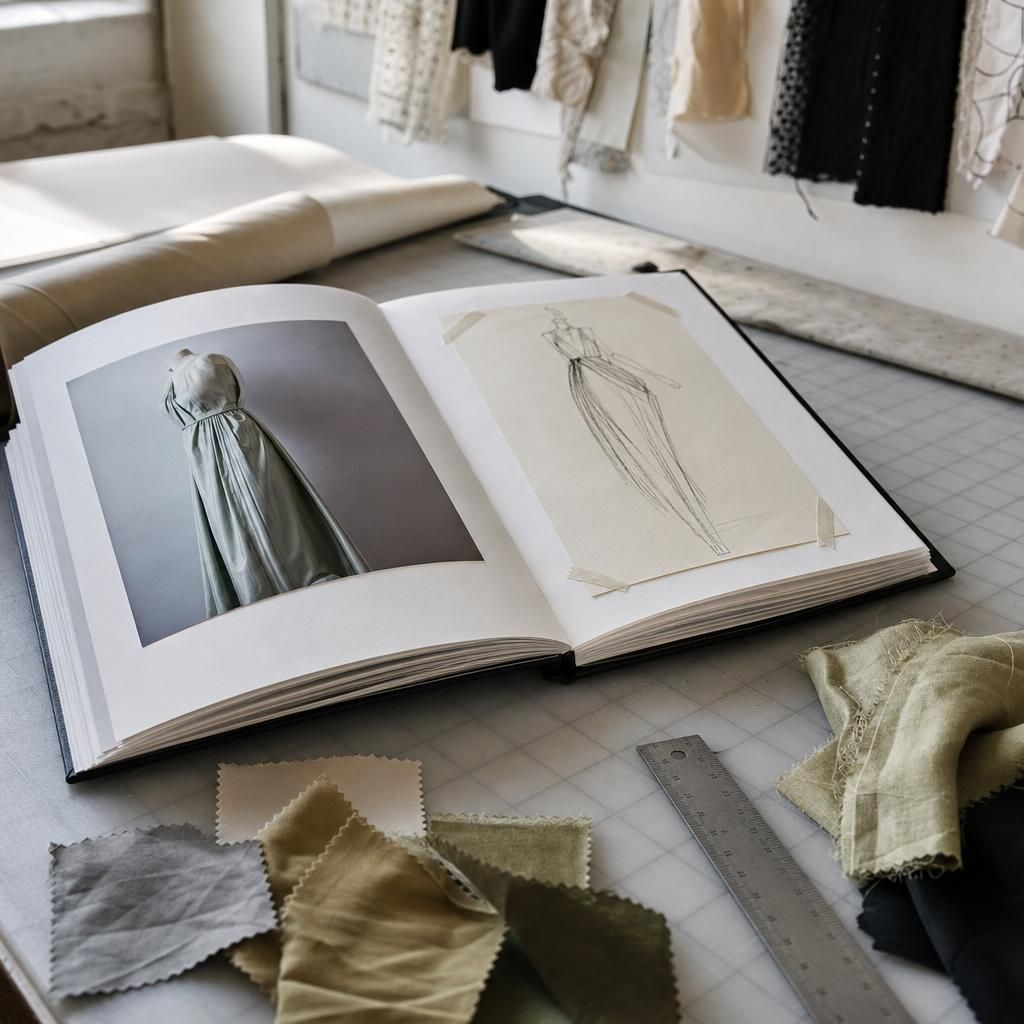
In luxury fashion, your portfolio matters, but so does your point of view. Employers and collaborators look for clarity. They want to see what kind of designer you are becoming. As a result, students who study in a luxury fashion design school should build work that is polished, intentional, and commercially aware.
Craft, Detail and Product Development
Craft is the visible proof of your standards. It shows in pattern accuracy, fabric handling, finishing, and garment structure.
Product development also matters because luxury clients expect coherence. A collection should feel resolved, not improvised. For that reason, students need regular practice in sampling, editing, and refining ideas into strong pieces.
Brand Identity and Storytelling
A luxury label needs more than beautiful clothes. It needs a story that feels distinctive and believable.
Brand identity includes tone, visuals, and design codes. Therefore, a luxury fashion design school should help you connect concept, mood, and customer perception. That is how a collection starts to feel like a brand world.
Customer, Market and Positioning
Premium fashion succeeds when it speaks to a defined audience. You need to know who you are designing for and why your work stands apart.
This is where positioning becomes essential. A luxury fashion design school should teach you how price, presentation, and product category affect perception. Consequently, you learn to design with a clearer commercial purpose.
Studying Luxury Fashion in London at a Luxury Fashion Design School
London is one of the strongest places to study luxury fashion design. It brings together creativity, commerce, and access to an international fashion culture.
A luxury fashion design school in London gives you more than location. It places you in a city where styling, luxury retail, communication, and independent design all intersect. That matters because premium fashion is rarely isolated. It is shaped by culture, media, and the expectations of a demanding market.
For students who want a broader view of UK pathways, the guide at 10 Best Fashion Design Universities in the UK [2025] shows how varied the sector is. However, the best choice depends on your goals. If you want entrepreneurship, accessories, and brand innovation alongside design, a boutique academy can be a strong fit.
That is where JCA stands out. The academy’s London setting supports students who want a creative but commercially relevant education. It also suits applicants who need flexibility. For example, learners balancing work or other commitments may prefer the Short Courses option or the Weekend Fashion Courses London pathway.
If you want to compare the broader experience of studying fashion in the city, JCA’s Study Fashion in London page is a helpful starting point. It explains why London remains attractive for ambitious designers, career changers, and international students.
The biggest advantage of London study is access to inspiration and industry language. Meanwhile, the biggest advantage of a boutique luxury fashion design school is personal attention. Together, those two factors can help students move faster from idea to portfolio to brand direction.
JCA Courses for Luxury Fashion Careers
JCA offers a connected route for students who want a luxury fashion design school experience with entrepreneurial depth. That means you can move from creative foundations to degree study and specialist postgraduate or short-course options.
If you are starting out, the Fashion Foundation Diploma helps build core creative skills and portfolio direction. If you already know you want a degree route, the BA Fashion Design London pathway combines design, branding, and entrepreneurship. That mix is valuable because luxury brands need both visual strength and business thinking.
Students interested in product expansion can also explore the Fashion Accessories Design Course. Accessories are central to luxury markets, especially where bags, footwear, and statement pieces help define a brand world. If your interests are more strategic, the Fashion Management Degree London route supports wider business and strategy skills.
For postgraduate learners, the MA fashion entrepreneurship route is especially relevant. It speaks to students who want to launch, reshape, or grow premium fashion labels. The course focus on design, brand innovation, and business strategy aligns well with the luxury fashion design school mindset.
JCA also offers a strong communication pathway through its Fashion Communication Course. That matters because luxury fashion is visual, editorial, and narrative-driven. In addition, the academy’s Full Time Courses page helps applicants compare longer study options in one place.
If you want a flexible route, the academy also supports short-format learning through the Short Courses area. That can be a smart first step for career changers, portfolio builders, or learners testing a new direction before committing to a full programme.
A luxury fashion design school should not only teach you how to make products. It should help you think about the entire brand journey. JCA’s course mix is designed to do exactly that.
Career Paths in a Luxury Fashion Design School Pathway
A luxury fashion design school pathway can lead to design, accessories, entrepreneurship, communication, and fashion management roles. It is a strong option if you want both creative and commercial flexibility.
Graduates may move into luxury womenswear or menswear design, accessories development, branding, styling, visual direction, or brand management. Some start their own labels. Others join emerging premium brands and help shape product identity from the inside.
This broad outcome is one reason the luxury fashion design school model is so useful. It prepares students for more than one job title. It teaches them how luxury businesses think, how customers interpret value, and how creative decisions affect brand growth.
If you are comparing international study routes, it can be useful to look at graduate options abroad too. For example, a video overview of a French luxury management programme can help you understand how other markets approach the subject. Here is a useful reference:
For students exploring undergraduate comparison content, this U.S. school overview may also be helpful as a wider benchmark:
JCA’s own student and designer product range can also be inspiring if you want to see fashion as both learning and making. The Dresses category shows how creative ideas can move into finished pieces with a premium feel. That is important, because luxury fashion education should connect study with outcome.
Ultimately, the best career path depends on your ambition. Some students want a brand. Some want a role in product development. Others want to specialise in communication or management. A luxury fashion design school should make all of those routes feel possible.
How to Start Your Application to a Luxury Fashion Design School
The best way to start is to match your current level with the right course. A luxury fashion design school should give you a clear route, whether you are a school leaver, graduate, or career changer.
Begin by reviewing your portfolio, your goals, and your time availability. Then choose the course that fits your ambition. If you are still shaping your direction, a pre-application conversation can save time and reduce mistakes. JCA makes that easier through its Pre Application Form and its portfolio advice resources.
You should also think about course format. Full-time study suits applicants who want immersion. Short courses suit busy creatives. Foundation routes suit students who need to strengthen their portfolio and technical confidence. As a result, the right pathway often depends more on readiness than on age.
Before applying, review the academy’s core pages and compare them against your goals. The JCA Academy page is useful for understanding programmes, admissions, and student life. In addition, applicants who need a broader London overview can explore the academy’s Fashion School in London, UK article for context.
If you want a luxury fashion design school with an entrepreneurial lens, ask yourself three questions. Can the course help you build a better portfolio? Will it improve your understanding of brand strategy? Does it match the kind of luxury fashion career you want to create? If the answer is yes, you are likely looking at the right fit.
Key Takeaways
- A luxury fashion design school combines design craft, brand identity, and business thinking.
- London offers strong context for premium fashion study, especially for students who want both creativity and commercial relevance.
- JCA’s pathways support different goals, from foundation study to BA, MA, management, accessories, and short courses.
- Luxury fashion careers often span design, branding, accessories, communication, entrepreneurship, and strategy.
- The best application starts with choosing the right course level and using pre-application guidance early.
Frequently Asked Questions
What is the best school to become a fashion designer?
The best school is the one that matches your creative goals, learning style, and career direction. A luxury fashion design school is especially valuable if you want strong craft, portfolio development, and brand thinking in one place. Look for hands-on teaching, clear progression routes, and access to fashion business skills.
What is the #1 fashion school in the world?
There is no single universal #1 school for every student. Rankings change by source and criteria, so the best choice depends on the type of fashion career you want. A luxury fashion design school may be the better fit if you want premium design, entrepreneurship, and a more personalised training experience.
What courses are available in luxury fashion management?
Luxury fashion management courses usually cover brand strategy, retail, customer experience, product positioning, and business planning. At a luxury fashion design school, you may also find related routes in fashion management, entrepreneurship, communication, and accessories, which give you a broader understanding of premium markets.
Which university is best for fashion design?
The best university depends on whether you want a large research-led environment or a more boutique, career-focused experience. A luxury fashion design school can be ideal if you want closer support, practical making, and a strong link between design and brand building. That combination is often valuable for premium fashion careers.