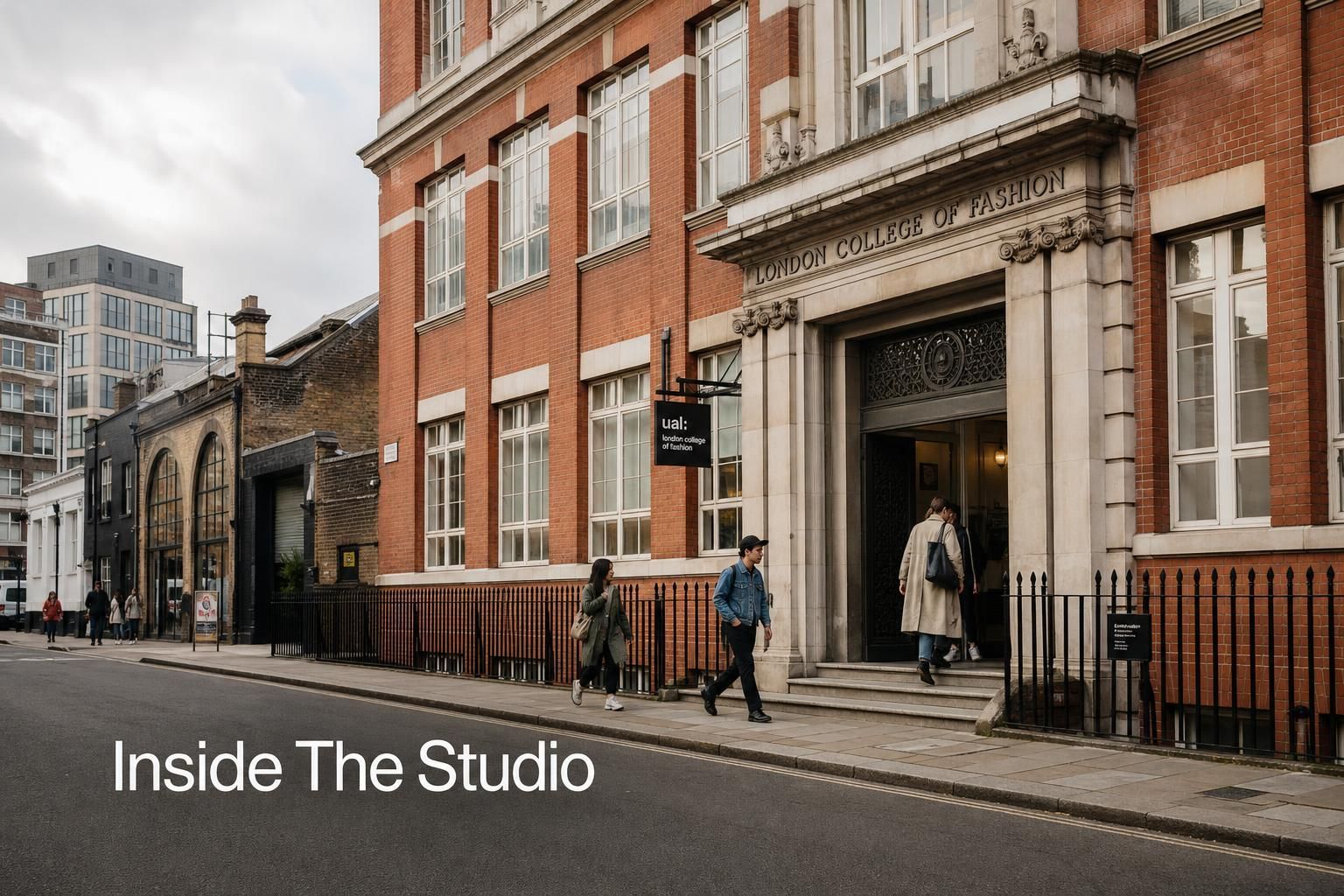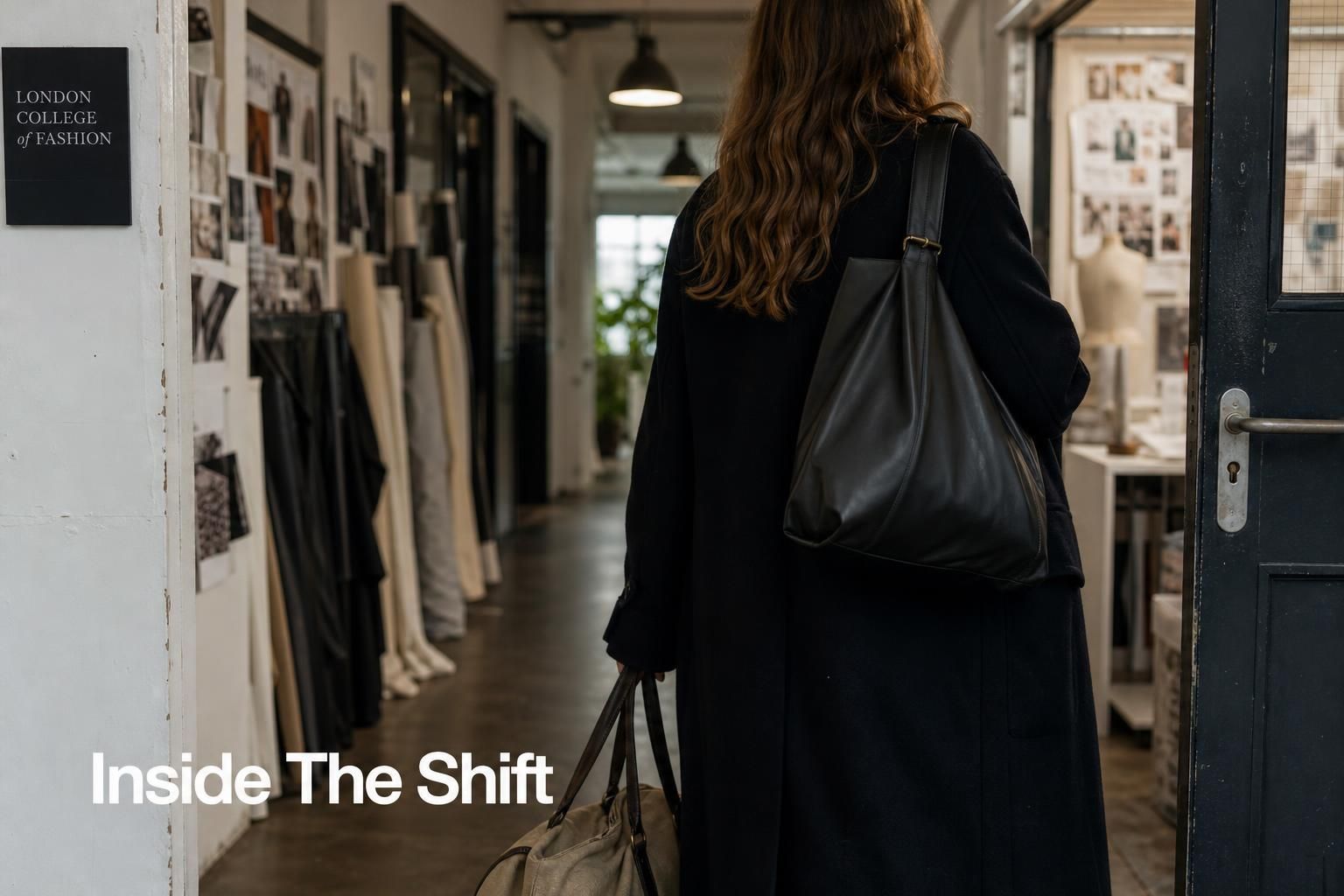

Fashion School in London, UK: Why Choose a Boutique Academy Over a Large University?
Quick Answer
If you are comparing a fashion school london uk option, a boutique academy is often the better fit for students who want close mentoring, stronger portfolio development, and a clearer path into brand building or creative entrepreneurship. A large university may suit broader academic goals, but a boutique model is usually more focused and personal.
Choosing a fashion school london uk can shape your portfolio, your confidence, and even the kind of career you build after graduation. Some students want a wide university experience, while others want a smaller, more focused studio culture that feels closer to the realities of fashion work. JCA London Fashion Academy sits in the boutique category, where teaching is personal, industry-aware, and built around design, branding, and entrepreneurship. If you are comparing routes, start with the practical details on fashion courses in London and then think about how you learn best. Do you want a large cohort and a broad academic structure, or direct feedback, stronger mentoring, and a faster path from concept to collection? This guide breaks down the difference clearly, so you can decide whether a fashion school london uk should feel more like a creative studio or a traditional university.
Choosing a fashion school london uk: what matters most?
A fashion school london uk should be judged by fit, not just reputation. The best choice depends on your goals, your learning style, and how you want to enter the industry.
For some applicants, the right route is a large university with a broad campus environment. For others, a boutique academy offers sharper focus, more direct contact with tutors, and a clearer connection between classroom work and the fashion market. That is why it helps to compare structure, support, and outcomes before you apply.
London also matters. It gives students access to exhibitions, showrooms, creative communities, and a steady flow of fashion events. If you want a city-based pathway, explore study fashion in London and compare how each provider uses the city as part of the course experience.
A useful way to think about any fashion school london uk is to ask three questions:
- Will I get enough feedback on my work?
- Will I build a portfolio that reflects my own identity?
- Will the course help me turn ideas into a career or business?
Those questions matter because fashion is both creative and practical. You need design skill, but you also need presentation, problem-solving, and professional confidence. A school that supports all three can make a real difference.
If you are still early in the process, a fashion school london uk should also make admissions feel clear. JCA’s pre application form is useful for applicants who want guidance before committing. It helps you understand whether your portfolio, experience, or next step is on track.
For many students, the decision becomes less about prestige and more about momentum. A boutique academy can help you move faster, stay focused, and develop work that feels personal. That is especially valuable if you want a career in luxury design, brand creation, or creative entrepreneurship.
What is a fashion school london uk, really?
A fashion school london uk is any London-based institution that teaches fashion design, business, communication, or related creative pathways. The best ones do more than teach sewing or styling. They help students build portfolios, industry awareness, and a professional point of view.
In practice, that means the right school should connect craft with context. You are not just learning to make garments. You are learning how fashion works, how brands are built, and how ideas become products.
Boutique fashion academy vs large university in fashion school london uk
A boutique fashion academy is usually more personal and more applied, while a large university often offers broader systems and a wider academic environment. Neither is automatically better, but they serve different student needs.
At JCA London Fashion Academy, the boutique model is designed around close teaching and practical outcomes. That matters if you want feedback that is specific, fast, and tied to your portfolio. It also matters if you are drawn to luxury fashion, branding, or launching a label. You can see that focus in routes like the BA (Hons) Fashion Design, Branding & Entrepreneurship and the MA fashion entrepreneurship pathway.
If you are comparing options, one helpful lens is how each school shapes your daily experience. In smaller settings, tutors often know your work better. Therefore, critiques can feel more direct and actionable. In larger settings, you may get access to a wider peer group and a more layered academic ecosystem. However, that can also mean less individual attention.
For a student making a fashion school london uk decision, the real question is not size. It is support.
A boutique academy often gives you:
- Smaller groups and more personal mentoring
- A clearer studio culture
- More visible progression in your portfolio
- Stronger links between creative work and commercial thinking
- A direct route into brand-building skills
Large universities can be a strong fit when you want a broad campus life, multiple subject options, or a more traditional academic experience. Still, if your aim is to develop an original label or work in fashion leadership, a boutique setting can feel more aligned.
This is why many applicants compare a fashion school london uk by outcomes rather than by scale. What will you be able to show employers, clients, or investors at the end? That question often gives the clearest answer.
Class size and mentoring
Smaller classes usually mean more frequent feedback and clearer creative direction. That can be especially useful early on, when you are still shaping your design identity.
In a boutique setting, mentoring often feels less generic. Tutors can challenge your ideas, but they can also help you refine them. As a result, your progress may feel more visible from term to term.
Creative freedom and individual identity
A boutique fashion school london uk can give you more room to develop a distinct point of view. That matters because fashion careers reward originality.
If your work is heading toward luxury design, accessories, or brand storytelling, individual identity is not a bonus. It is part of the product.
Entrepreneurship and brand-building
Many students no longer want only a design job. They want to launch labels, build creative studios, or manage fashion businesses.
That is where a fashion school london uk with entrepreneurship built into the course can be a strong advantage. JCA’s fashion branding course and fashion entrepreneurship course support that mindset directly.
Industry access and London location
London is one of the best places to study fashion because the city itself is part of the curriculum. You can build references from exhibitions, retail environments, fashion weeks, and creative communities.
For current student life, this week-in-the-life vlog by weiwei gives a useful sense of daily rhythm in a fashion school london uk setting:
You can also look at broader industry activity, such as The Fashion School City Wide Celebration, to understand how education and the wider fashion calendar connect in the city.
When a large fashion university may be right for you
A large university can be the right choice if you want breadth, structure, and a more traditional higher-education environment. It may suit students who value a wide social network, a strong research culture, or the chance to explore multiple creative disciplines.
That said, a fashion school london uk in a university format is not automatically the best option for every applicant. If you learn best through direct studio feedback and individual critique, a bigger cohort can sometimes feel less personal.
Large universities are often a good fit when you want:
- A campus-style experience
- Access to multiple departments or pathways
- A broader academic atmosphere
- A route that feels closer to traditional higher education
If you are still undecided, use the course structure as your guide. Look at teaching style, portfolio expectations, and how much time is spent on business, communication, and professional practice. A fashion school london uk should help you leave with more than ideas. It should help you leave with work that can be shown, shared, and used.
It is also worth checking how much practical support is built into the journey. For example, JCA’s fashion portfolio preparation course is useful for applicants who want to strengthen their entry work before applying. That kind of support can be a sign of how closely a school works with students before and during the course.
For a broader view of fashion education pathways, some applicants also compare school-leaver and applied routes such as Fashion & Textiles courses. That comparison can help clarify whether you want a vocational, studio-led route or a wider academic one.
Ultimately, a larger university may be right if you want scale and choice. However, if you want focused mentoring and a business-minded creative education, a boutique academy may be more effective.
How does a fashion school london uk compare by learning style?
The biggest difference is often pace. Boutique academies tend to move with the student more closely, while larger universities may move with a broader institutional rhythm.
If you like clarity, quick feedback, and close guidance, a smaller environment can feel far more supportive.
When a boutique fashion school london uk may be better
A boutique fashion school london uk is often the better choice if you want direct support, a refined creative environment, and a course that treats your ideas like the beginning of a real career.
This route works well for school leavers, portfolio builders, international students, and career changers. It is also strong for applicants who already know they want to work in design, accessories, communication, or brand leadership. JCA’s Foundation Diploma in Fashion is a good example of a course that helps students build confidence and direction before moving into higher study.
A boutique setting is often best when you want:
- Personal feedback and close mentoring
- A portfolio that reflects your individual style
- A practical bridge between study and work
- Better focus on brand identity and entrepreneurship
- A smaller environment that reduces distraction
This matters because fashion school is not only about technique. It is also about taste, decision-making, and confidence. A smaller school can help you develop those qualities more consistently.
For students interested in applied creativity, courses such as fashion design courses in London and short courses offer flexible ways to test your direction before committing to a full programme.
The first year can also feel more manageable in a boutique model. You are less likely to disappear into a crowd. Instead, your work can be seen, discussed, and improved with intention.
For a final-year perspective, this vlog by luvrisa shows the demands and rhythm of a London fashion school year:
If that environment appeals to you, a fashion school london uk with a boutique identity may be the stronger match. It can help you grow as a designer and as a future founder.
Why portfolio development is often stronger in boutique settings
Portfolio work improves when feedback is consistent and specific. Boutique schools often make that easier.
Instead of broad comments, students can get targeted direction on composition, concept, presentation, and garment execution.
How JCA supports designer-founders in fashion school london uk
JCA is built for students who want to create, present, and eventually launch. That makes it different from a school that focuses only on technical skill or academic theory.
A fashion school london uk should help you understand design and the business behind it. JCA does that through programmes that combine creative direction, brand thinking, and practical development. The full-time courses page is a good starting point if you want to compare degree-level and foundation routes.
For designer-founders, the value is clear. You do not just learn how to make a garment. You learn how to position a collection, explain your concept, and think about the market. That is especially relevant for students interested in luxury fashion, accessories, or creative entrepreneurship.
JCA also supports different stages of the journey. Some students need a foundation year. Others need degree-level depth. Others want flexible study through evenings or weekends. That flexibility helps applicants match education to real life, which is important for career changers and international students.
If you want a course that blends creativity and commercial thinking, explore the Fashion Academy London route and the short fashion courses in London options. Both show how a boutique fashion school london uk can offer a focused pathway without losing creative ambition.
The brand also extends beyond education. JCA’s designer pieces and dresses reflect the same attention to craft and styling that students see in the classroom. That connection between learning and making helps the academy feel like a living fashion environment, not just a teaching space.
For applicants who want help choosing the right route, the best next step is often a conversation, not guesswork. Review the course pages, request guidance, and then compare your long-term goals with the school’s teaching model.
What does a designer-founder need from fashion education?
A designer-founder needs creative skill, business clarity, and confidence in presentation. Those three elements help turn fashion ideas into something that can be sold, shown, or scaled.
That is why entrepreneurship should not be treated as an extra. It should be part of the course design.
Questions to ask before choosing a fashion school london uk
The best way to choose a fashion school london uk is to ask direct questions before you apply. That prevents confusion later and helps you compare courses on substance.
Start with the curriculum. Then look at staff feedback, portfolio support, graduate outcomes, and whether the course matches your preferred pace. A school can sound impressive, but the daily experience matters more.
Ask these questions:
- How often will I get individual feedback?
- Does the course help me build a professional portfolio?
- Is entrepreneurship part of the teaching?
- Are there flexible study options if I work or travel?
- What kind of graduate profile does the school aim to create?
You should also think about cost. How much does it cost to go to fashion school in London? The answer depends on the course, level, and living situation. For a practical overview, review fashion school London prices so you can budget properly and avoid surprises.
If you are unsure about admissions, read the school’s guidance carefully. JCA’s admissions guide can help you understand entry expectations without the guesswork that often surrounds fashion applications.
For students comparing routes, the real goal is not to find the most famous name. It is to find the school that gives you the right environment, feedback, and momentum. In a fashion school london uk search, that usually means choosing the place where your work will improve fastest.
If you want a more detailed application conversation, the fashion portfolio feedback London page is a strong next step. It can help you see whether your ideas are ready, or whether you need to refine them first.
How much should you expect to spend?
There is no single answer, because fees vary by course and level. Living costs also matter in London.
The safest approach is to review course fees early, then budget for materials, travel, and accommodation separately.
Visit, apply, or request the prospectus for fashion school london uk
If you are serious about a fashion school london uk, the next step is to see how the course feels in real life. Websites can show structure, but they cannot fully show culture, pace, or teaching style.
That is why it helps to request the prospectus, review course pathways, and speak to admissions before you decide. If you are early in your search, start with JCA London Fashion Academy and move into the most relevant pages from there.
A boutique academy can be the right choice when you want a focused, supportive, and entrepreneurial education. A large university can be right when you want breadth and scale. The best fashion school london uk is the one that matches your ambition and your working style.
If your goal is to become a designer, founder, or creative strategist, choose the place that gives you direct feedback and a clear path forward. That is the real advantage of a boutique model.
Therefore, before you apply, ask yourself one final question: do you want to be one student in a large system, or a designer whose work is developed closely from the start? For many applicants, that answer makes the decision much easier.
What is the smartest final step before applying?
The smartest final step is to review the course, check the portfolio expectations, and ask for admissions guidance.
That approach gives you clarity and helps you choose a fashion school london uk with confidence.
Key Takeaways
- A boutique fashion school london uk is often better for mentoring, portfolio growth, and entrepreneurship.
- Large universities can suit students who want breadth, scale, and a more traditional academic experience.
- The best choice depends on learning style, course structure, and career goals.
- JCA’s model is designed for designer-founders who want creative and commercial skills together.
- Applicants should compare feedback, portfolio support, flexibility, and total cost before applying.
Frequently Asked Questions
What is the best fashion school in London?
The best fashion school in London depends on your goals. If you want close mentoring, portfolio development, and entrepreneurship support, a boutique fashion school london uk may be the best fit. If you want a broader academic environment, a larger university may suit you better. The real test is which school matches your learning style and career direction.
How much does it cost to go to fashion school in London?
Costs vary by course level, duration, and whether you study full-time or part-time. You should also budget for materials, travel, and London living costs. The most reliable approach is to review each school’s fee page and plan from there, because a fashion school london uk can differ a lot in total cost.
What is the top 1 fashion school?
There is no universal top 1 fashion school for every student. The right answer depends on whether you value academic breadth, studio intensity, branding, or entrepreneurship. If you want a fashion school london uk that feels personal and career-focused, a boutique academy may be stronger than a larger institution.
What are the best fashion universities in the UK?
The best fashion universities in the UK are usually the ones that match your goals, portfolio, and preferred learning environment. Some students want a large university with broad resources, while others prefer a smaller fashion school london uk with direct mentoring. Compare course content, graduate outcomes, and how much support you will receive before deciding.