Fashion Portfolio Preparation: Checklist, Examples and Interview Tips for Applicants
Quick Answer
Fashion portfolio preparation is the process of selecting, refining, and presenting your creative work so admissions teams can see your ideas, skills, and potential clearly. A strong portfolio shows research, sketching, development, finished outcomes, and your personal point of view, all supported by confident interview conversation.
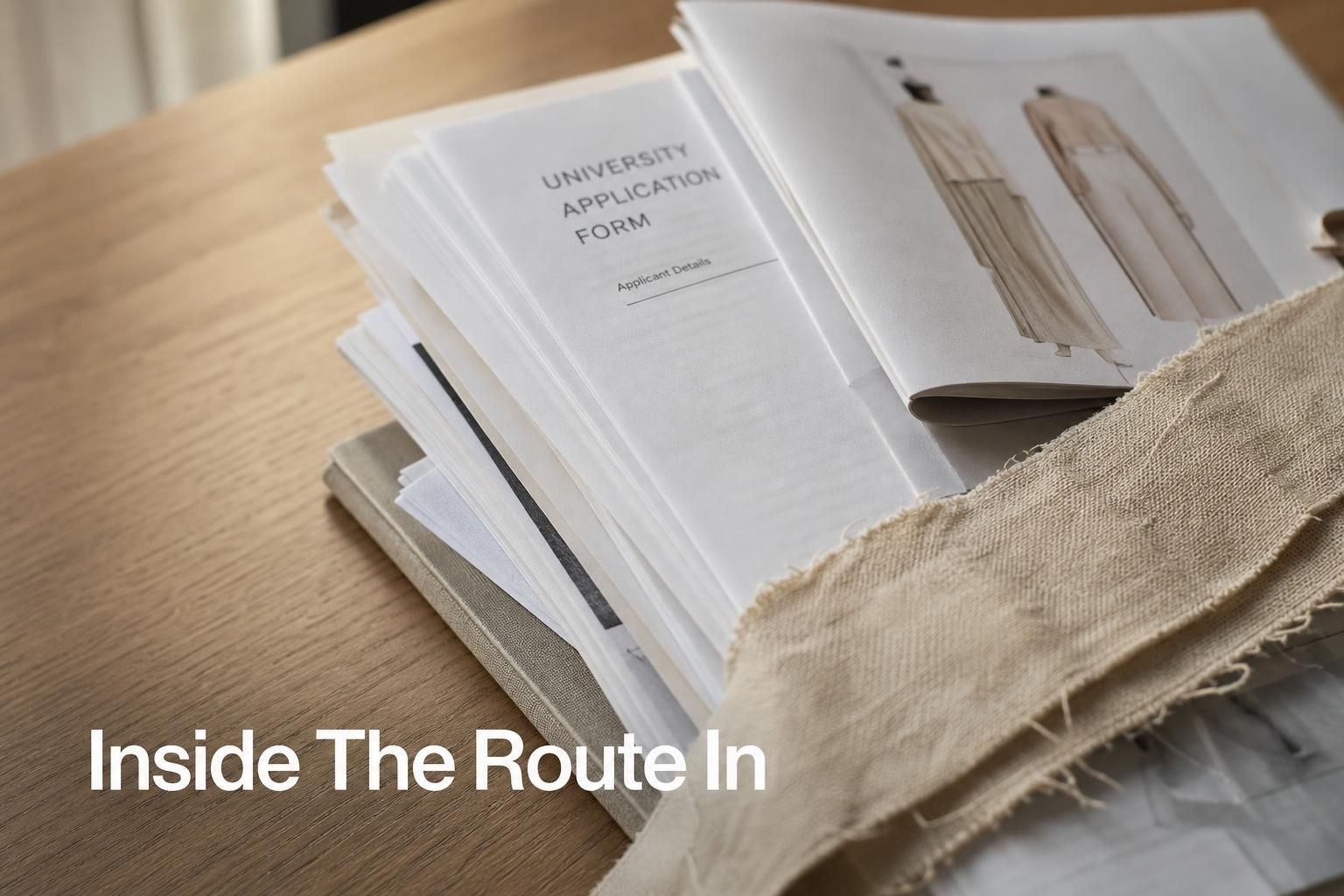
Fashion portfolio preparation is not just about showing pretty pages. It is about proving how you think, how you develop ideas, and why you belong in fashion study. Admissions teams want to see creativity, but they also want evidence of observation, experimentation, and commitment. That is why fashion portfolio preparation matters for foundation, undergraduate, and postgraduate applicants alike. It helps you turn scattered work into a clear story. If you want a course-led route, you can also explore JCA’s Fashion Portfolio Preparation Course alongside the advice below. In this guide, you will learn what to include, what to avoid, how to prepare for interviews, and how to adapt fashion portfolio preparation for different course levels. The aim is simple: help you present work that feels creative, organised, and ready for a serious fashion school review.
What Is a Fashion Portfolio?
Fashion portfolio preparation is the process of curating your creative evidence into a clear application tool. In simple terms, a fashion portfolio is a collection of work that shows your ideas, drawing ability, process, and design judgement. It is not only a gallery of final looks. It is a visual argument for your potential.
For fashion schools, fashion portfolio preparation should show how you think, not just what you made. That means concept pages, research, sketchbook pages, fabric testing, technical drawing, garment development, styling, and finished outcomes all have a place. A strong portfolio also reflects your interests. For example, someone focused on luxury tailoring may show cut, silhouette, and material research. Someone interested in branding may include visual storytelling, packaging ideas, or campaign references.
This is where structure helps. If you are applying to a course such as BA Fashion Design London or a shorter creative route, your portfolio should feel tailored to the level and the course focus. That is why fashion portfolio preparation should begin with course research, not with design pages alone.
A useful way to think about it is this: the portfolio is your visual interview before the interview. It should answer three questions quickly. Can this applicant generate ideas? Can they develop them with discipline? Can they grow here?
For broader study options, JCA’s fashion courses in London cover different entry points, from foundation to degree and postgraduate study. If your portfolio needs a stronger direction, that context can help you choose what to include and what to leave out.
Good fashion portfolio preparation also helps reduce stress. Once your pages are organised, you can speak more confidently about your work. That matters in interviews, because the conversation often becomes easier when the visual story is already clear.
For a practical reference on visual presentation ideas, many applicants also review external guidance such as this portfolio presentation guide and compare it with school expectations. The key is to stay original and course-relevant.
How does fashion portfolio preparation work?
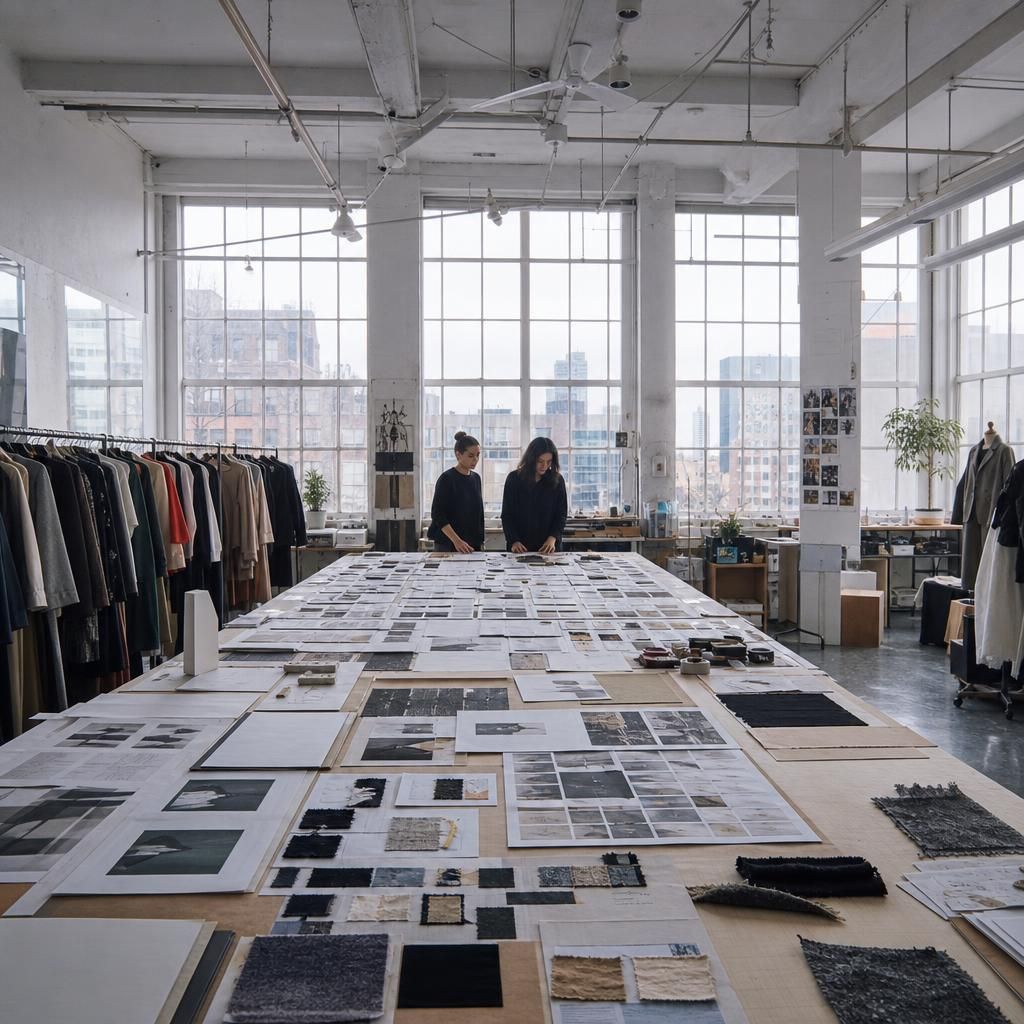
Fashion portfolio preparation works best as a sequence. First, collect all relevant work. Then sort it into themes, such as research, drawing, development, and final outcomes. After that, edit ruthlessly. Include only pages that add value. Finally, sequence the portfolio so it tells a story from first idea to resolved design.
This process matters because admissions teams read quickly. They need to understand your abilities without guessing. Therefore, each page should earn its place. Strong portfolios feel intentional, not crowded.
Fashion Portfolio Preparation: What Fashion Schools Look For
Fashion portfolio preparation should match what fashion schools actually assess. In most cases, they look for creative thinking, visual communication, process, relevance, and potential. They are not expecting perfection. However, they do expect evidence that you can observe, explore, and improve your ideas.
A good portfolio usually shows research, concept development, experimentation, final outcomes, and reflection. It should also feel coherent. If every page looks like a separate project with no connection, the reader may struggle to see your design voice. Therefore, fashion portfolio preparation is partly about editing and partly about narrative.
Schools also want to see your individuality. That can come through subject matter, materials, styling, or the way you interpret references. For example, one applicant may focus on cultural identity through textiles. Another may explore structure through tailoring. Both can work, as long as the approach is clear and the work is authentic.
If you are applying for a course with a stronger practical or professional focus, your portfolio may benefit from commercial awareness too. That could mean design development with clear target users, mood boards with strong market references, or range planning. If you are interested in brand building as well as design, BA Fashion Design, Branding & Entrepreneurship is a useful example of a course where portfolio and idea development both matter.
For applicants wanting a deeper admissions lens, JCA’s fashion school portfolio preparation guide can help you align your work with what reviewers expect. Meanwhile, if you are preparing for a more advanced level, the portfolio should show stronger conceptual thinking and more self-direction.
One helpful external resource for applicants is this international admissions portfolio guide, which reinforces the importance of process and clarity. Another is this fashion design portfolio submission guide, which can help you understand common submission structures.
Ultimately, fashion portfolio preparation is about proving readiness. The better your portfolio explains your process, the easier it is for admissions teams to see your potential.
Research and concept development
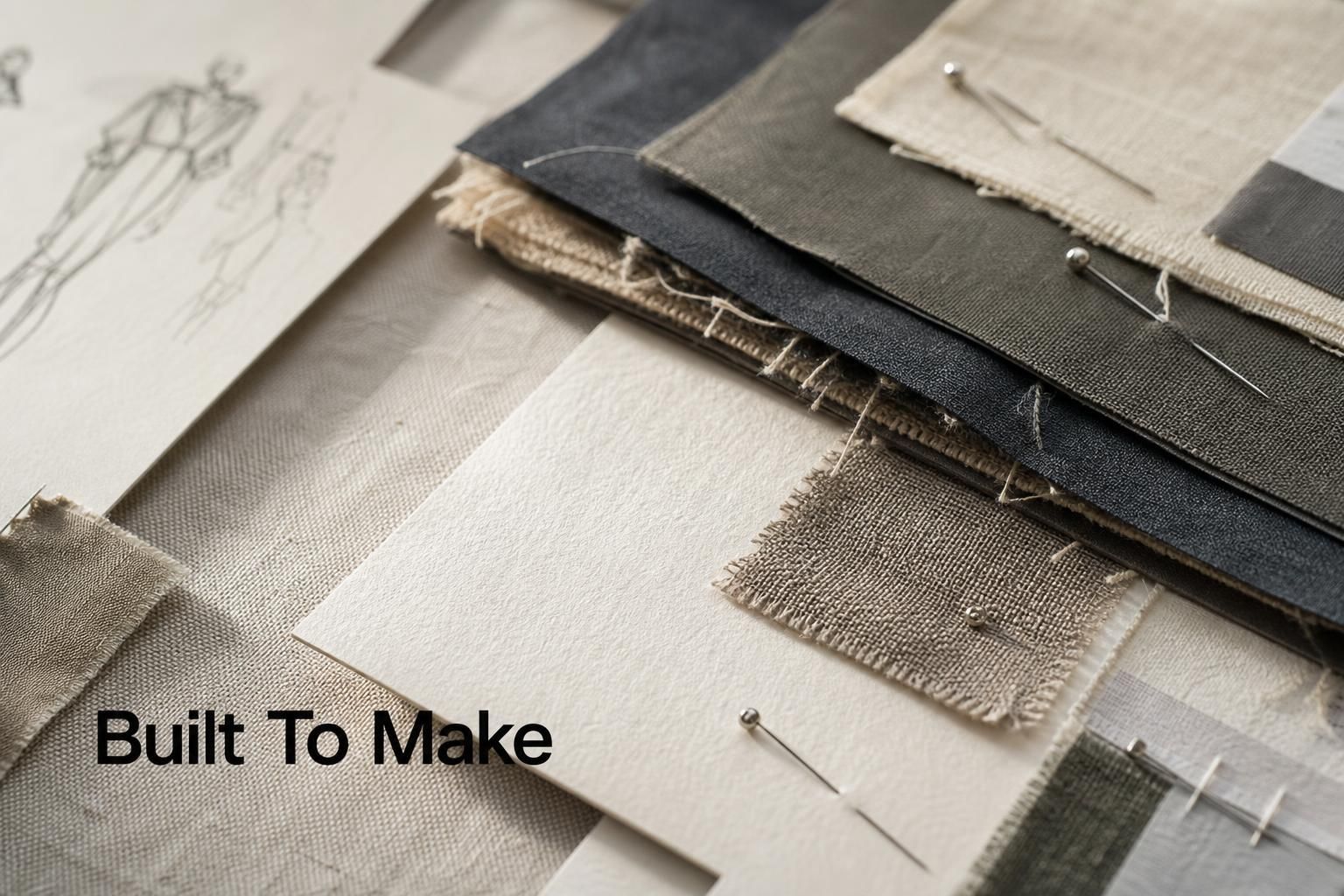
Research and concept development are the backbone of fashion portfolio preparation. Admissions teams want to see how you turn inspiration into design decisions. Show sketches, written notes, images, fabric samples, colour tests, and visual references that lead to a clear concept.
Keep the chain visible. For example, if you start with architecture, show how that became silhouette, texture, or line. If you begin with a social theme, explain how it shaped material choice or garment shape. This proves you can think like a designer, not just collect references.
Sketchbooks and process work
Sketchbooks and process pages are often where fashion portfolio preparation becomes convincing. They show the work behind the outcome. Include observational drawing, quick ideation, annotation, technical studies, and revisions.
Do not over-polish everything. A portfolio that only shows finished images can look shallow. Schools value exploration because it reveals problem-solving. Therefore, include pages that show experimentation, even if they are imperfect.
Final outcomes and presentation
Final outcomes matter because they show what you can resolve. In fashion portfolio preparation, the best final pages are clean, well photographed, and easy to read. Use consistent layout, clear captions, and enough white space for each image to breathe.
Presentation should support the work, not dominate it. If your pages are too crowded, the viewer will miss the strongest ideas. Aim for clarity first, style second, and let the creative quality do the rest.
Fashion Portfolio Preparation Checklist
Fashion portfolio preparation becomes much easier when you work from a checklist. A checklist helps you avoid missing key evidence and keeps your submission focused. It also makes editing less emotional, because you can compare each page against a clear standard.
Start with the essentials. You need work that shows research, drawing, experimentation, and final outcomes. Then add supporting material that reveals your interests and personality. If you are applying for a degree, the portfolio often needs to show more depth and independence. If you are applying for a foundation route, your range can be broader, but the basics still matter.
Use this practical list:
- Concept or theme pages that show where the idea came from
- Sketchbook pages with annotations and development
- Observational drawing or figure studies
- Fabric swatches, colour testing, or material experiments
- Technical drawings or garment construction pages
- Finished garments, looks, or styled outcomes
- Photography that presents work clearly
- Any relevant extra work, such as branding, accessories, or fashion communication
- A short artist statement or project summary if requested
If you need a structured starting point, JCA’s Fashion Portfolio Course London and Fashion Portfolio Feedback London pages are helpful for applicants who want clearer direction before they submit. In addition, JCA’s full-time courses can give you a better sense of what each level values.
Fashion portfolio preparation should also include a final quality check. Ask yourself whether every page serves a purpose. If a page does not show skill, thinking, or progress, remove it. That discipline often improves the whole submission.
A final tip: print or view the portfolio in the same format you will submit. Small layout problems are easier to spot that way. In fashion portfolio preparation, the details matter because they shape first impressions.
How to make a portfolio for fashion?
To make a portfolio for fashion, begin with your strongest projects and build around them. Select work that shows both your ideas and your process. Then sequence it so the viewer sees research, experimentation, and resolution in a logical order.
Keep your formatting consistent. Use clear page titles, readable notes, and high-quality images. Most importantly, tailor the content to the course you want. Fashion portfolio preparation works best when it feels deliberate and personal.
Portfolio Examples: What to Include and What to Avoid
Fashion portfolio preparation becomes stronger when you can recognise good examples and common mistakes. A strong portfolio includes evidence of thought, progress, and decision-making. A weak one often looks like a dump of disconnected images.
What to include depends on your level, but strong examples usually feature projects with a clear starting point and a resolved outcome. For instance, a project may begin with a textile reference, move into silhouette studies, then end with a finished garment. Another may show fashion illustration, styling, and brand concept development. That variety is useful, as long as each section feels connected.
What to avoid is just as important. Do not overload the portfolio with unrelated work. Do not include every sketch you have ever made. Avoid blurry photos, weak scans, or pages where the viewer has to search for the point. Also avoid copying trends without context. Fashion schools notice originality.
The question many applicants ask is not only what to include, but what to avoid in a portfolio. The answer is simple: avoid clutter, repetition, and unfinished thinking. Every page should either show skill or reveal progress.
If you are aiming for a more fashion-business-minded pathway, portfolio content can also include market insight, styling direction, or brand communication. That fits especially well with courses such as Fashion Communication Course in London and MA Fashion Entrepreneurship, where presentation and storytelling matter as much as design.
For wider context, some applicants look at external examples such as this accepted portfolio example and this printed textile portfolio preparation resource. Use examples for structure and inspiration, not imitation.
One more practical point: if your portfolio includes garments, present them clearly. JCA’s dresses collection can help you think about how finished fashion pieces are shown in a polished context. That presentation mindset carries over into strong fashion portfolio preparation.
What are the 7 elements of fashion design?
The 7 elements of fashion design are commonly understood as silhouette, line, colour, texture, shape, balance, and proportion. These elements help you analyse and develop stronger work.
They are useful in fashion portfolio preparation because they give your pages a design language. For example, line may appear in sketches and seam placement, while texture may be explored through fabric tests. When you understand these elements, your portfolio looks more intentional and professionally grounded.
Do I need a portfolio for NIFT?
If you are applying to a fashion course that requires creative evidence, a portfolio is usually important. For NIFT specifically, requirements can vary by programme and route, so you should always check the latest official guidance.
From a practical point of view, fashion portfolio preparation is still useful even when a portfolio is optional. It helps you organise your work, clarify your ideas, and speak with confidence in interviews or reviews.
How to Prepare for a Fashion School Interview
Fashion portfolio preparation does not end when the pages are finished. It also prepares you for the conversation that follows. In interviews, the team usually wants to understand your motivation, your interests, and how you think under discussion.
The best interview preparation starts with your own portfolio. Know why each project is there. Be ready to explain your inspiration, your process, and the choices you made. If something changed during development, talk about it honestly. Growth is often more impressive than perfection.
You should also practise a short introduction. Say who you are, what interests you in fashion, and what kind of work you want to develop. Keep it simple and natural. Avoid memorised speeches. Admissions teams usually prefer clear, confident conversation.
Good questions to prepare for include:
- Why do you want to study fashion?
- Which designers, materials, or ideas influence your work?
- How did you develop this project?
- What would you improve next time?
- Why is this course the right fit for you?
If you want to see how strong portfolio storytelling works in a more professional context, watch the embedded guide below. It explains what makes a portfolio feel career-ready.
Fashion portfolio preparation also helps you answer unexpected questions. When your portfolio is organised, you can return to the work and explain it clearly. That calmness matters. Interviewers often notice applicants who can reflect thoughtfully rather than simply repeat facts.
Finally, remember that interviews are not only about proving talent. They are also about showing readiness to learn. If you present yourself with curiosity, openness, and a clear visual story, your fashion portfolio preparation will do much of the heavy lifting.
How can I talk about my portfolio confidently?
Talk about your portfolio by moving from idea to process to outcome. Start with the concept, then explain the research, and finish with what the final work achieved.
Keep your answers clear and honest. If you struggled with a section, say what you learned. Confidence in fashion portfolio preparation comes from understanding your work well, not from pretending everything was easy.
Fashion Portfolio Preparation for Foundation, BA and MA Applicants
Fashion portfolio preparation should change with the course level. A foundation applicant is usually expected to show curiosity, experimentation, and potential. A BA applicant should show stronger independence, clearer ideas, and more resolved development. An MA applicant needs a sharper point of view, deeper reflection, and stronger evidence of research-led thinking.
For foundation applicants, the goal is to show promise. Include broad creative work if it supports your fashion interest, such as drawing, textiles, styling, or design experimentation. If you are exploring entry routes, the Foundation Diploma in Fashion London is a useful reference for what early-stage applicants often need to build.
For BA applicants, the portfolio should show more focus. Demonstrate how your ideas develop through iterations and how you respond to feedback. You may also want to show awareness of brand, audience, or market direction. That is especially relevant for courses like Fashion Design Degree London.
For MA applicants, the portfolio can be more concise, but it should be more critical. Show advanced thinking, strong project framing, and a clear design or business proposition. If your interest sits at the intersection of design and enterprise, MA Fashion Entrepreneurship is a relevant pathway to consider.
Fashion portfolio preparation is also helpful if you want flexible entry points. Some applicants begin with short courses or evening study to strengthen skills before a bigger application. In that case, JCA short courses or weekend fashion courses in London can be a smart bridge.
If you are uncertain about fit, ask for advice before submitting. That step often saves time and improves quality. It also makes your fashion portfolio preparation more strategic, which is exactly what admissions teams value.
How does fashion portfolio preparation differ by level?
At foundation level, fashion portfolio preparation should prioritise potential and experimentation. At BA level, it should show stronger development, selection, and independence. At MA level, it should demonstrate critical thinking and a mature creative or business direction.
The work itself may overlap, but the depth changes. That is why course-level awareness matters. A portfolio that is right for one stage may feel too thin or too crowded for another.
Get Pre-Application Support from JCA
Fashion portfolio preparation becomes easier when you have expert feedback before you apply. A short review can help you strengthen structure, sharpen your pages, and choose the right course level with more confidence.
At JCA London Fashion Academy, the focus is on practical, high-touch support. That matters if you want a portfolio that reflects both creativity and readiness. You can start with the Pre Application Form to request guidance before you submit. You can also explore Study Fashion in London to understand the wider pathway from short courses to degrees and postgraduate study.
If your goal is to build confidence before a formal application, this support can be especially useful. It gives you a chance to ask whether your fashion portfolio preparation is at the right level, whether your content is well sequenced, and whether your interview story is clear. Those small improvements often make a large difference.
For applicants who want a more hands-on route, JCA’s portfolio-focused pathways and creative training options can help you keep building while you prepare. In other words, fashion portfolio preparation is not only about getting in. It is about getting ready.
If you are still shaping your direction, start with one honest review of your work. Then refine. Then apply. That is the simplest and most effective route for many applicants.
Should I get feedback before applying?
Yes, getting feedback before applying is often a smart move. It helps you spot weak pages, improve flow, and align your portfolio with the course you want.
Feedback is especially useful if you are unsure about level, format, or content. In fashion portfolio preparation, an outside review can turn good work into a more persuasive application.
Key Takeaways
- Fashion portfolio preparation should show process, not just finished work.
- A strong portfolio includes research, development, experimentation, and resolved outcomes.
- Tailor fashion portfolio preparation to the course level: foundation, BA, or MA.
- Avoid clutter, repetition, weak images, and unrelated work.
- Interview confidence improves when you can explain every page clearly.
Frequently Asked Questions
How to make a portfolio for fashion?
Start with your strongest creative projects and organise them around a clear theme or process. Fashion portfolio preparation works best when it shows research, development, experimentation, and final outcomes in a logical sequence. Keep the layout clean, the images sharp, and the story easy to follow.
What are the 7 elements of fashion design?
The 7 elements of fashion design are silhouette, line, colour, texture, shape, balance, and proportion. They help you analyse garments and build stronger ideas, which makes fashion portfolio preparation more focused and more professional.
Do I need a portfolio for NIFT?
Portfolio requirements can vary by programme, so you should always check the latest official guidance. Even when a portfolio is not strictly required, fashion portfolio preparation is still valuable because it helps you organise your ideas and explain your creative thinking clearly.
What to avoid in a portfolio?
Avoid clutter, repetition, poor-quality images, and work that does not support your fashion direction. In fashion portfolio preparation, every page should show skill, process, or progress. If a page adds confusion instead of clarity, remove it.