
Fashion Portfolio Feedback London: What to Prepare Before You Apply
Quick Answer
Fashion portfolio feedback London helps applicants see what schools notice first: concept, process, originality, and presentation. The best feedback does not just critique finished pages; it shows how to sharpen ideas, edit weaker work, and prepare a stronger application for fashion study in London.
If you are searching for fashion portfolio feedback London, you are probably past the first spark of an idea and ready to make your work application-ready. That is the right stage to ask for feedback, because a strong portfolio is not only about beautiful pages. It is about showing your thinking, your process, and your creative direction clearly. At JCA London Fashion Academy, we look for potential as much as polish, especially from applicants who want a practice-led route into fashion education. Before you apply, it helps to know what to include, what to cut, and how to present your story. If you want to explore our approach to boutique fashion education, start with Fashion Academy London. This guide breaks down what tutors usually want to see, the mistakes that hold portfolios back, and how fashion portfolio feedback London can help you turn rough ideas into a stronger submission.
What Is Fashion Portfolio Feedback London?
Fashion portfolio feedback London is a structured review of your creative work before you submit an application. It helps you understand how your portfolio reads to tutors, what feels clear, and what needs more development. In practice, it is part critique, part strategy, and part reassurance.
Good feedback goes beyond saying whether pages look attractive. It examines whether your ideas are original, whether your process is visible, and whether your presentation supports your story. That matters because fashion schools want more than finished drawings. They want evidence of exploration, experimentation, and intention.
For applicants comparing routes, feedback is especially useful before you commit to a foundation, undergraduate, or postgraduate pathway. You can learn how your work aligns with a course before you apply through the Pre Application Form, or review the options in our Full Time Courses section. If you are considering a shorter, skill-building route first, browse our Short Courses too.
Fashion portfolio feedback London also helps you see your work as an admissions team might. That perspective is useful because applicants often focus on the most polished pages, while tutors focus on development. A sketchbook page, a fabric trial, or an annotated mood board can be just as important as a final look. Consequently, the best portfolio reviews help you edit with purpose instead of guessing.
If you want an external sense of how portfolio review events are positioned in the wider London creative scene, the Upstart Portfolio Reviews at V&A South Kensington show how useful live critique can be for creative applicants. Likewise, the portfolio advice guide from UAL is a helpful reference for understanding how much process and reflection can matter in admissions.
In short, fashion portfolio feedback London gives you a clearer route from idea to application. It shows you what is working, what is missing, and how to present your creative voice with more confidence.
How does fashion portfolio feedback work in practice?
Fashion portfolio feedback usually starts with a review of your current pages, followed by targeted guidance. A tutor or reviewer may ask what inspired each project, how you developed the concept, and why certain outcomes were chosen. That process reveals whether your portfolio tells a connected story.
At JCA, that conversation is often useful for applicants who need to understand how their work fits a specific course. A strong review should leave you with practical next steps, not vague encouragement. It should show you which pages to refine, which ideas to expand, and which pieces to remove.
What Should a fashion portfolio feedback London Review Focus On?
A useful fashion portfolio feedback London review should focus on the quality of your thinking, not just the finish of your pages. It should help you judge whether your portfolio shows concept, process, technical range, and visual clarity.
At minimum, your reviewer should look for these things:
- A clear creative theme or point of view
- Evidence of research and idea development
- Sketches, testing, and experimentation
- Finished pieces or resolved outcomes
- Presentation that supports the work without distracting from it
Many applicants assume they need a large portfolio. Often, they need a better edited one. A concise set of strong projects is more persuasive than a scattered collection of unrelated pages. Therefore, fashion portfolio feedback London should help you improve selection as much as presentation.
This is especially relevant if you are applying to a design-led or entrepreneurship-focused programme. Schools want to see that you can think visually and develop ideas independently. If you are exploring how creative study links with business thinking, our JCA Academy: Programmes, Admissions, Industry Links and Student Life page explains the wider context of our teaching model.
For visual inspiration, it can help to watch a real portfolio walkthrough. Here is a useful example of how personality and concept development can strengthen an application:
A strong fashion portfolio feedback London session should also check whether your pages are easy to follow. If a reviewer cannot understand your project in a few seconds, a tutor may feel the same. As a result, your layout, captions, and sequencing matter more than many applicants expect. Clear titles, short notes, and logical page order can make a noticeable difference.
Finally, feedback should tell you whether your work feels too safe. Many promising portfolios are technically neat but creatively cautious. A good reviewer will push you to take one more step: test a bolder silhouette, research a sharper concept, or show more of your own visual identity.
Research and concept development
This is where many strong applications begin. Reviewers want to see how you move from an idea to a direction.
Show research that feels relevant, not random. For example, a project inspired by architecture should include visual references, material studies, and notes that explain how those references shaped the design decision. Fashion portfolio feedback London should help you make that chain of thought visible.
Sketchbook and process work
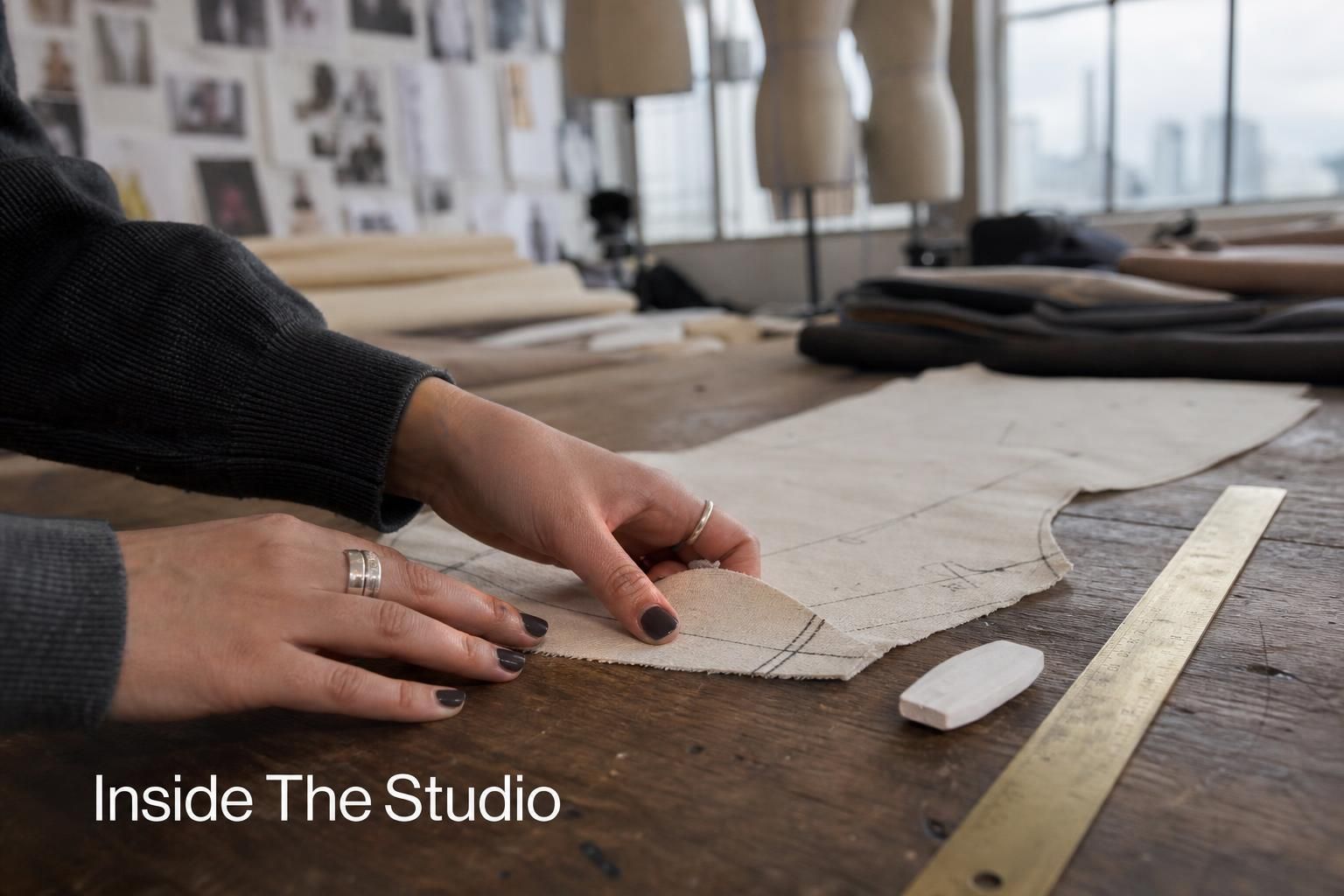
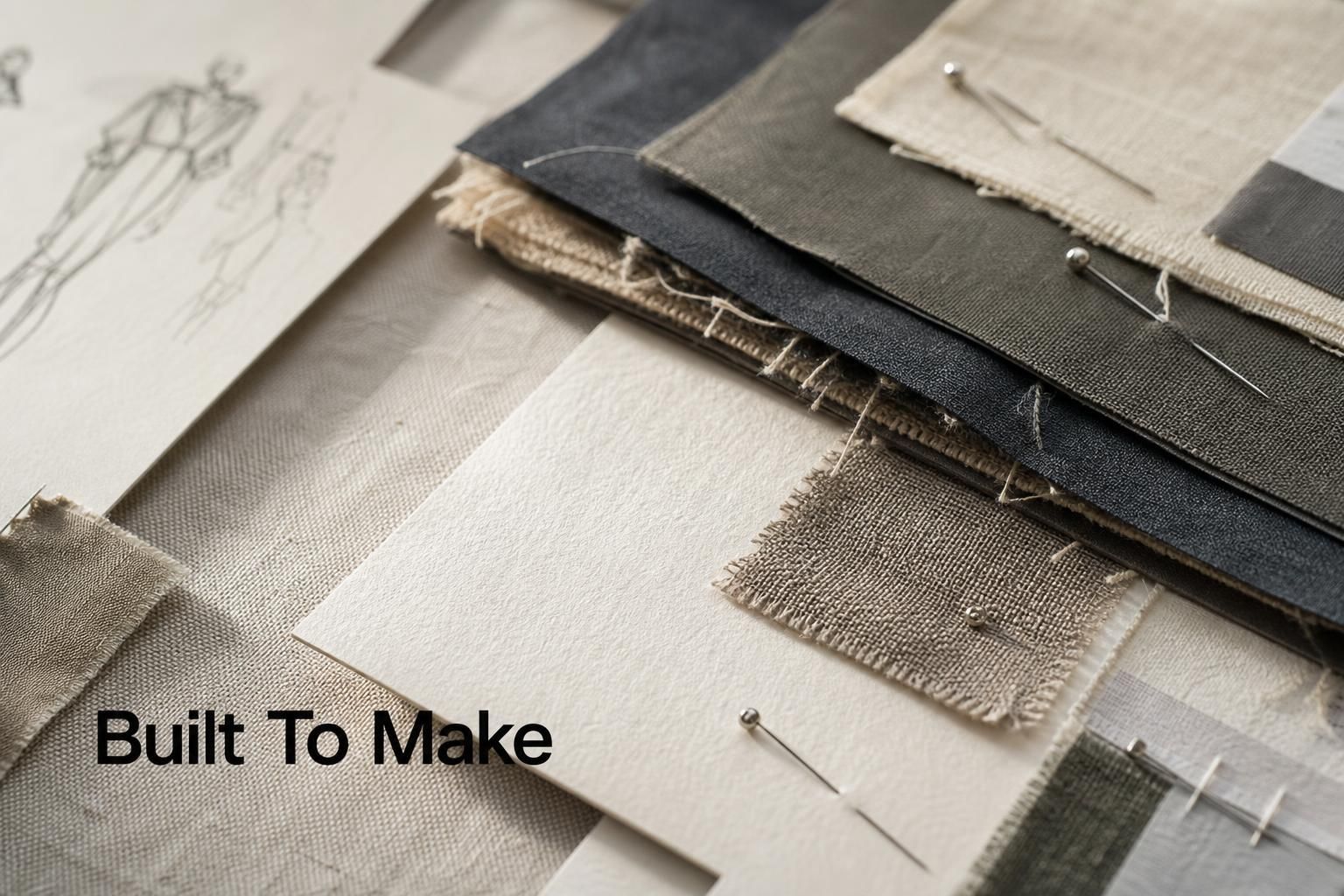
Process work tells tutors how you think. It can include rough sketches, colour testing, print experiments, collage, pattern ideas, and failed attempts that led somewhere useful.
Do not hide this material. Instead, organise it so the viewer can see progression. That usually matters more than perfect drawing style, because schools are often evaluating potential and curiosity.
Final outcomes and presentation
Final outcomes should feel resolved and intentional. That could mean garment illustrations, styled looks, accessories, branding outcomes, or fashion communication pages, depending on your route.
Presentation should support the work, not overpower it. Use clean spacing, consistent labelling, and enough white space for the eye to rest. A polished layout helps your strongest ideas stand out.
Common Mistakes in fashion portfolio feedback London Reviews
The most common portfolio mistakes are usually about clarity, editing, and relevance. They are rarely about lacking talent. In fact, many applicants simply show too much, too loosely, or too cautiously.
One common issue is weak sequencing. If your pages jump between unrelated ideas, your portfolio can feel unfinished even when the individual pieces are good. Another issue is over-reliance on final images. Tutors want to see how you got there. Without process, your work can look decorative instead of developed.
A third mistake is trying to impress with complexity rather than originality. Fashion portfolio feedback London should help you notice when a project feels borrowed from trends or from generic mood-board culture. Stronger portfolios show a personal lens. They use references well, but they do not disappear into them.
Another problem is poor editing. Applicants often include every sketch they have made. However, admissions teams usually prefer a tighter edit with clear progression. Remove pages that repeat the same idea. Keep the versions that show growth, decision-making, and refinement.
You should also avoid unclear presentation. Heavy backgrounds, cluttered pages, tiny text, and inconsistent layouts can distract from the work. The portfolio should feel readable at speed. That matters because reviewers often scan before they study.
For context, some applicants look to public portfolio sessions and preparation courses for structure. The 4 Week Fashion Design Portfolio Preparation Course is a good example of how applicants often seek focused preparation before applying. Likewise, the ARTS THREAD portfolio review event shows that live critique remains a valued part of creative admissions culture.
If you want to reduce risk before you apply, ask for fashion portfolio feedback London early. That gives you time to redraft pages, improve the narrative, and present your strongest work with more confidence.
How to Prepare for a Fashion School Interview with fashion portfolio feedback London
Fashion portfolio feedback London should prepare you for interview questions as well as for the application itself. The best reviews help you explain your ideas clearly and speak about your work with confidence.
Interviewers often want to understand your creative influences, your process, and your motivation for study. Therefore, you should be ready to discuss why you chose each project, what you learned from it, and what you would improve next time. If you can talk about your portfolio naturally, you will make a stronger impression.
Start by rehearsing a short explanation for each major project. Keep it simple. Explain the concept, the research, the outcome, and one thing you would develop further. This approach shows self-awareness, which is often more persuasive than rehearsed perfection.
You should also prepare to discuss your academic route and interests. If you are exploring pathways that combine design, communication, and business, our Fashion Courses in London: Degrees, Short Courses and Entrepreneurship Pathways guide can help you compare your options. If you already know you want a design-focused route, the Fashion Design Courses in London: How to Choose the Right Route page is a useful next step.
Here is a London-specific portfolio example worth watching before an interview. This Fashion Roadman video breaks down a successful fashion communication portfolio and shows how presentation and narrative work together:
Good fashion portfolio feedback London also helps you practice interview readiness. A reviewer may ask the same kinds of questions that a tutor would ask in an admissions meeting. That makes feedback more valuable, because it prepares you for both the page and the conversation.
As a result, the best preparation is not memorising answers. It is understanding your work well enough to discuss it in a calm, credible way.
Getting fashion portfolio feedback London at JCA
JCA offers a boutique, practice-led environment where portfolio conversations can feel personal and practical. That matters if you want feedback that is specific to your ambitions rather than generic advice.
When applicants request fashion portfolio feedback London through JCA, the goal is to understand both the work and the person behind it. We look for creative potential, curiosity, and the ability to develop ideas. We also consider whether your current work aligns with the kind of study experience you want.
This is why a studio visit or pre-application conversation can be so helpful. You can talk through your portfolio, ask questions about course fit, and get a clearer sense of your next step. If you are ready to begin that conversation, use our Pre Application Form. If you want to understand the full range of study options first, visit JCA London Fashion Academy – Shaping the Future of Fashion Design & Entrepreneurs.
JCA is especially relevant for applicants who want hands-on learning, small classes, and fashion education with a business awareness. That combination can be valuable for designers, creative entrepreneurs, and international students alike. It also means your portfolio should show both visual imagination and the ability to think clearly about outcomes.
If you are still shaping your direction, fashion portfolio feedback London can help you decide whether you need more drawing practice, stronger research, a better edit, or a more focused concept. That kind of clarity saves time and improves the quality of your application.
In other words, feedback is not only about admission. It is about helping you present your best creative self before you apply.
Next Steps: Visit, Apply or Request a Prospectus
The best next step after fashion portfolio feedback London is to act on the advice while your ideas are still fresh. That might mean editing your pages, booking a visit, or requesting more information about the right course.
If you want a clearer view of the academy, a studio visit can help. You can see the environment, ask about teaching style, and understand how your portfolio might fit a live admissions conversation. If you prefer to explore quietly first, request a prospectus and review the route that matches your ambitions.
Before you submit, use this simple checklist:
- Does the portfolio show research, process, and final outcomes?
- Can someone understand each project quickly?
- Have you cut repeated or weak pages?
- Does your presentation feel consistent?
- Can you explain your work in your own words?
If the answer is not yet yes to all five, more fashion portfolio feedback London is likely to help. That is especially true if you are applying from overseas or changing direction into fashion from another subject area.
To continue, explore our Study Fashion in London: A Guide for Future Designers and Creative Entrepreneurs page, or compare the differences between programmes on the Fashion Courses in London hub. If you are interested in business-led creative pathways, our BSc fashion management London: Strategy, Branding and Fashion Business route may also be relevant.
A thoughtful portfolio review should leave you with momentum. Therefore, do not treat feedback as a final judgment. Treat it as the point where your application becomes sharper, clearer, and more memorable.
Key Takeaways
- Fashion portfolio feedback London works best before you submit, when you still have time to edit and strengthen your story.
- Tutors usually care most about concept, process, originality, and clear presentation, not just polished final pages.
- A tighter portfolio is often stronger than a larger one, especially when it shows a clear creative direction.
- Interview preparation should come from the same feedback process, so you can explain your work with confidence.
- A studio visit, prospectus request, or pre-application form can help you turn feedback into a stronger application.
Frequently Asked Questions
What is the best time to get fashion portfolio feedback London?
The best time is before you submit your application, while you still have time to edit. Fashion portfolio feedback London is most useful when it can shape your final selection, presentation, and written explanation. If you wait until the last minute, you may miss the chance to strengthen weaker pages or improve the story your portfolio tells.
How many projects should I include in a fashion portfolio?
There is no single perfect number. A better portfolio usually includes enough work to show range, but not so much that the story becomes unclear. Fashion portfolio feedback London should help you choose a focused set of projects that show research, process, and final outcomes without repeating the same idea.
Can fashion portfolio feedback London help if I am changing careers?
Yes, it can. Career changers often bring strong visual taste, life experience, and fresh perspectives, but they may need help framing that in a clear portfolio. Fashion portfolio feedback London can show you how to present transferable skills and build a more relevant creative narrative.
Should I include digital work in my fashion portfolio?
Yes, if it supports your ideas and course direction. Digital presentations, styling boards, branding pages, and visual research can all strengthen a portfolio when used well. Fashion portfolio feedback London can help you decide how much digital material to include and whether it supports your strongest work.
What should I do after I receive fashion portfolio feedback London?
Use the feedback immediately and edit with purpose. Update the weakest pages first, then review your sequence, captions, and overall presentation. After that, book a studio visit, request a prospectus, or complete your application with a clearer sense of what your portfolio now communicates.