Fashion Portfolio Course: Build a Strong Application Portfolio for Fashion School
Quick Answer
A fashion portfolio course helps you plan, build, and present a strong application portfolio for fashion school. It gives structure to your ideas, improves your drawings and research, and helps you show clear creative development, which matters whether you are applying to a foundation diploma, BA, or short course.
A strong fashion portfolio can open the door to foundation study, a BA pathway, or a focused creative short course. A fashion portfolio course gives you the structure, feedback, and confidence to present your ideas clearly, even if you are starting from a rough sketchbook or a small body of work. It is especially useful if you need to show process, personality, and potential rather than just polished final pieces. At JCA London Fashion Academy, applicants often ask how to turn early concepts into an application-ready portfolio. The answer is usually simple: start with your interests, build evidence of creative thinking, and present your work with intention. If you are exploring options, you can begin with Short Courses or look at Fashion Portfolio Feedback London to understand what admissions teams want to see. This guide explains what a fashion portfolio course does, who it helps, and how to prepare for your next step.
What Is a Fashion Portfolio Course?
A fashion portfolio course is a guided programme that helps you create and refine a portfolio for fashion school applications. It focuses on idea development, visual storytelling, and presentation, so your work shows both creativity and readiness.
In practice, a fashion portfolio course teaches you how to gather research, develop concepts, and present work in a way admissions teams can follow. That matters because a portfolio is not only a collection of nice images. It is a record of how you think, test, revise, and build ideas. For many applicants, that process is the missing piece.
A good fashion portfolio course also helps you avoid common mistakes. For example, some students lead with final garments too early. Others show too little development. A strong portfolio usually needs balance: inspiration, experimentation, technical thinking, and finished outcomes. That is why guided study often works better than working alone.
If you want a wider picture of study routes, JCA’s fashion courses in London explain how short courses, degrees, and entrepreneurial pathways connect. You can also review fashion school London prices if you are comparing routes before applying.
For independent reference, many students also study public examples such as the Create a Fashion Portfolio Intermediate Short Course and the Fashion Portfolio Course Guide for Beginners. These resources show how structured portfolio building supports applicants at different stages.
In short, a fashion portfolio course turns raw ideas into an application that feels focused, personal, and ready to review.
Who Should Take a fashion portfolio course?
A fashion portfolio course is ideal for applicants who need direction before applying to fashion school. It suits school leavers, foundation applicants, career changers, and international students who want a clearer standard of work.
It is also a smart choice if you are creative but uncertain how to present your ideas. Many applicants can draw, research, or sew, but struggle to organise their work. A fashion portfolio course gives that structure. It helps you show evidence of your thinking, not just your final output.
This route is also useful for students applying to different levels. Foundation Diploma applicants may need to show curiosity and experimentation. BA applicants often need a stronger sense of concept development and personal voice. Short course applicants may need a smaller, more focused portfolio that shows commitment and direction. In all cases, the fashion portfolio course helps you understand what to include and what to leave out.
If you are not sure where you fit, JCA’s fashion design courses in London page can help you compare study routes. For a more immersive first step, fashion design classes London are useful for beginners and portfolio builders who want hands-on practice before applying.
You may also want to watch a practical breakdown from Method 4 Fashion on what top fashion schools expect in an application portfolio:
Additionally, if you want to see how an accepted applicant describes the process, Evie Shaw’s walkthrough offers a current student-style example:
A fashion portfolio course is not only for advanced students. It is often most valuable for people who need a clear starting point and honest feedback.
What Your fashion portfolio course Should Help You Include
A fashion portfolio course should help you build a portfolio with clear sections and a visible creative journey. Admissions teams want to see how you think, how you develop, and how you finish work.
The strongest portfolios usually include research, experimentation, drawings, and finished outcomes. They do not need to be overloaded. Instead, they should feel edited and purposeful. A portfolio that is easy to follow often makes a stronger impression than one filled with unrelated pages.
When you work through a fashion portfolio course, focus on showing process. That means your pages should move logically from idea to result. If your work jumps around, the reader has to do the work for you. The goal is to make your thinking visible.
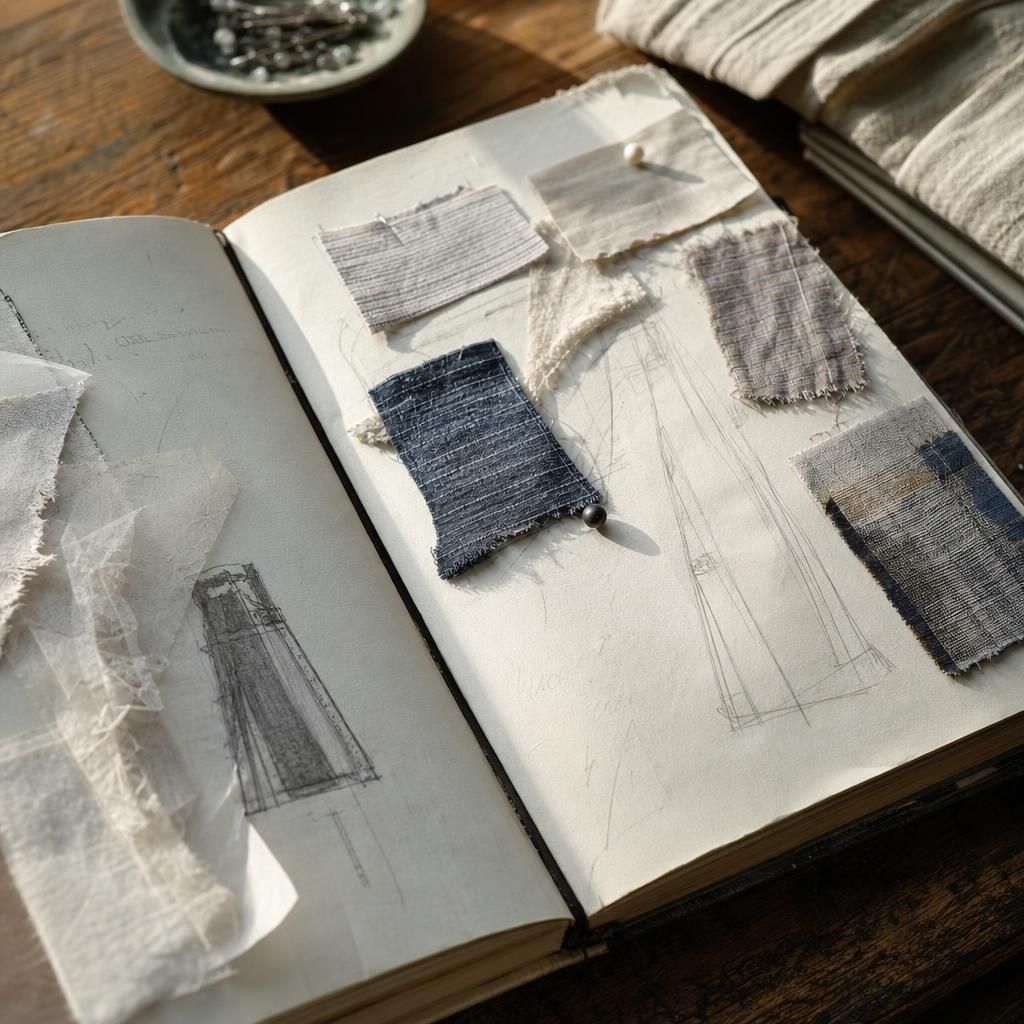
A well-built portfolio may also include sketchbook pages, fabric tests, collage, photography, and notes that explain your decisions. If you are applying to a design-led course, your portfolio should show visual fluency. If you are leaning toward brand or entrepreneurship pathways, it can also show awareness of audience, styling, and presentation.
For inspiration and practical study routes, you can explore Study Fashion in London and JCA Academy. Both help applicants understand how creative education connects to future careers.
A useful fashion portfolio course teaches you how to edit. That means cutting weak pages, repeating your strongest ideas, and keeping the overall story consistent.
Research and Moodboards
A fashion portfolio course should teach you to gather references carefully. That may include art, architecture, subcultures, garments, or objects from everyday life. The key is not to collect everything. The key is to select material that supports one clear direction.
Good moodboards are more than decorative pages. They explain colour, texture, silhouette, and atmosphere. Therefore, they help admissions tutors see your concept before they see your final outcome. Keep your boards focused and visually calm. Too many images can blur the idea.
Design Development
A fashion portfolio course should help you document variations, changes, and decisions. Show rough sketches, pattern explorations, garment ideas, and test pieces. As a result, the reader can follow your problem-solving process. This is often where applications become more convincing.
Do not hide early mistakes if they led to better ideas. Development pages are where learning becomes visible, and that is exactly what schools want to see.
Illustration and Technical Drawing
A fashion portfolio course should help you improve proportion, line, and detail. Include figure drawing, flat drawings, and technical sketches where relevant. Moreover, keep your visuals consistent in style and presentation. Clean drawings can lift the overall standard of your portfolio quickly.
If your drawing confidence is still growing, that is normal. The point is clarity, not perfection.
Finished Outcomes
A fashion portfolio course should help you present these outcomes well. Include photographs, final illustrations, garment shots, or creative project spreads. In addition, make sure each final piece links back to the research and development that came before it.
Strong finishes do not need to be elaborate. They need to feel resolved, relevant, and well presented.
How JCA Helps You Build a fashion portfolio course Ready Application
JCA helps applicants turn creative ideas into a clear and confident application. The support is practical, personal, and designed to help you understand what your next best step should be.
A fashion portfolio course at JCA is connected to wider study pathways, so your portfolio can be shaped with a real destination in mind. That matters if you are considering a Foundation Diploma, a BA route, or a shorter creative course. Rather than building work in isolation, you can prepare with the admissions process in view.
This is where guidance becomes especially useful. Some students need help choosing the right projects. Others need help editing down their pages. Many need support with presentation, storytelling, and confidence. A fashion portfolio course can address all of these points.
If you want to explore study options after portfolio preparation, browse Full Time Courses or learn more about Fashion Academy London. If you are ready to take the first step, the Pre Application Form is a simple way to start a conversation.
For applicants who want more hands-on creative development first, JCA’s fashion short courses in London are useful for building confidence before a formal application. That can be especially helpful for beginners, returning creatives, or busy adults.
A fashion portfolio course should leave you with a stronger body of work, but also a better understanding of how admissions decisions are made.
Fashion portfolio course vs Foundation Diploma
A fashion portfolio course helps you prepare for an application. A Foundation Diploma gives you a fuller year of study and creative exploration after you are accepted.
That is the main difference. If you need to apply soon, a fashion portfolio course is the faster, more focused option. If you want a broader creative runway, the Foundation Diploma can be the next stage.
Think of the fashion portfolio course as preparation and the Foundation Diploma as progression. The course helps you gather and present your best work. The diploma helps you develop further once you are in a structured learning environment.
This distinction matters for applicants who are unsure which route fits their goals. If you need stronger evidence of potential, start with portfolio support. If you already have a developing body of work and want a longer academic route, the Foundation Diploma may suit you better.
To compare pathways, JCA’s fashion courses in London overview is a helpful starting point. You can also look at Fashion Entrepreneurship Course if your interest extends beyond design into launch and brand building.
In short, a fashion portfolio course gets you application-ready. A Foundation Diploma helps you continue growing after admission.
How to Prepare Before You Start a fashion portfolio course
Preparation matters because it helps you make the most of every session. A fashion portfolio course works best when you arrive with ideas, references, and a willingness to edit.
Start by collecting your existing work. That may include sketchbook pages, digital drawings, garment photos, collages, or class projects. Then choose one or two themes that feel authentic to you. You do not need a finished concept. You do need a starting point.
Next, review your portfolio as if you were seeing it for the first time. Ask simple questions. Does it show growth? Does it explain my interests? Does it feel like me? These questions help you identify gaps before you begin.
It also helps to bring practical materials to your fashion portfolio course. A notebook, a folder, printed references, and a USB or digital files can make organisation much easier. Moreover, be ready to receive feedback. The strongest portfolio development often comes from revising work, not protecting it.
If you are still exploring the school environment, JCA’s fashion school London prices guide and dresses collection can give you a broader sense of the academy’s creative world.
A fashion portfolio course becomes more effective when you treat it like a project, not a guessing game.
Apply or Ask for Portfolio Advice
The best next step is to ask for guidance before you submit an application. A fashion portfolio course is most effective when it is tied to a real admissions goal.
If you are unsure whether your current work is ready, request feedback early. That can save time and help you focus on the right improvements. It can also reduce anxiety, which is useful if you are balancing school, work, or a career change.
For many applicants, the question is not whether they have talent. It is whether their work is presented clearly enough. A fashion portfolio course solves that problem by giving you structure, critique, and direction.
If you are ready to move forward, start with the Pre Application Form or explore the academy’s main site for routes into design, branding, and entrepreneurship. If you want a practical, hands-on way to strengthen your application first, JCA’s portfolio support and creative short courses are a strong place to begin.
The right fashion portfolio course does more than improve your pages. It helps you present your potential with confidence.
Key Takeaways
- A fashion portfolio course helps you build a clear, application-ready portfolio for fashion school.
- The strongest portfolios show research, development, illustration, and finished outcomes.
- JCA supports applicants who need feedback before applying to foundation, BA, or short courses.
- A fashion portfolio course is different from a Foundation Diploma because it focuses on preparation, not longer-term study.
- The best next step is to gather your work, edit it carefully, and request admissions guidance early.
Frequently Asked Questions
How do I start my fashion portfolio?
Start with what you already have, then choose one clear creative direction. A fashion portfolio course helps you collect research, build development pages, and edit your work into a coherent story. Begin with moodboards, sketches, and any finished pieces you can present well. Then add process pages that show how your ideas evolved.
What is a fashion portfolio?
A fashion portfolio is a curated collection of creative work that shows your ideas, skills, and process. It usually includes research, design development, drawings, and final outcomes. For school applications, it should explain how you think, not just what you made.
Which course is best for fashion?
The best course depends on your goal. If you need to apply soon, a fashion portfolio course is the best first step because it prepares your application. If you want a longer academic pathway, a Foundation Diploma or full-time degree may suit you better after that preparation.
Is there a course that can help me create a portfolio?
Yes. A fashion portfolio course is designed for exactly that purpose. It helps you build a portfolio from early ideas through to a finished presentation, with feedback on structure, content, and visual impact. Many applicants use it before applying to foundation, BA, or short courses.