
Best Fashion Design Schools in London: What Serious Applicants Should Compare
Quick Answer
The best fashion design schools in london are the ones that match your goals, portfolio level, and career direction, not just the most famous name. Compare course focus, studio teaching, industry tutors, entrepreneurship support, facilities, and application guidance before you decide.
If you are researching the best fashion design schools in london, the smartest move is not to chase a brand name alone. You need to compare what each school actually gives you: design training, portfolio support, business insight, and access to tutors who understand the industry. That matters whether you are a school leaver, a foundation student, or a career changer building a new creative path. London has a wide range of options, from large universities to boutique academies such as JCA’s guide to choosing a fashion school in London. The real question is simple: which environment will help you make better work, present a stronger portfolio, and move toward the career you want? This article gives you a transparent checklist for comparing the best fashion design schools in london without relying on hype or unsupported rankings.
What Makes a Fashion Design School One of the Best?
The best fashion design schools in london are the ones that help you grow creatively and professionally. They should teach you how to design, communicate, and present work with confidence.
A strong school does more than offer classes. It builds your technical skill, sharpens your taste, and helps you understand how fashion works as a business. That is why applicants should look beyond general reputation. A beautiful website is not enough. You need a course that matches your ambition.
Start by asking what success looks like for you. Do you want to become a designer, a creative entrepreneur, a stylist, a brand founder, or a fashion communicator? Different schools support different outcomes. For example, some pathways are stronger in concept development, while others place more emphasis on business, digital communication, or accessories. If you want a clearer view of route options, JCA’s fashion design courses in London page is a useful starting point.
When applicants compare the best fashion design schools in london, they should also review how teaching is delivered. Small groups, direct feedback, and hands-on studio time often matter more than long lecture lists. In fashion, progress usually comes from making, fitting, refining, and presenting. Therefore, the best fit is often the school that gives you the most meaningful practice.
It also helps to look at independent references. For a broad market view, the University comparison page Top fashion schools around the world shows how global fashion education is often discussed by specialism and reputation. Likewise, 10 Best Fashion Design Universities in the UK [2025] gives a wider UK context. However, these overviews should support your decision, not make it for you.
The best fashion design schools in london are not always the most famous. They are the ones that fit your stage, your strengths, and your end goal.
What is a good fashion school, really?
A good fashion school helps you improve fast and build a portfolio with purpose. It should teach design thinking, practical making, and presentation skills in a structured way. It should also connect your creative work to real industry expectations, so your ideas become more professional and more employable.
London Fashion School Comparison Criteria for Serious Applicants
The best fashion design schools in london should be compared using a practical checklist, not a popularity contest. That is how you find the right fit for your portfolio, budget, and long-term goals.
Use the criteria below when you visit websites, attend open days, or speak to admissions teams. The same questions help whether you are comparing degrees, foundation routes, or short creative courses.
The most useful approach is to judge each school on evidence. Look at student outcomes, module structure, contact time, studio support, and whether the course prepares you for the next step. If you need help preparing your application materials, fashion portfolio preparation guidance can help you organise your work before you apply.
Course Specialism
Course specialism is one of the clearest ways to compare the best fashion design schools in london. Some schools lean toward womenswear, menswear, accessories, or experimental practice. Others focus on fashion business, communication, or entrepreneurship.
Choose the route that matches your ambition. If you want to launch a label, a course with branding and business modules may suit you better. If you want to make garments with strong construction skills, look for a course with intensive studio practice and pattern development. JCA’s BA Fashion Design, Branding & Entrepreneurship is an example of a course built around both creativity and commercial thinking.
Portfolio Development
Portfolio support can make a major difference when you compare the best fashion design schools in london. A school that helps you develop concepts, experiment with materials, and refine presentation will often strengthen your application and your confidence.
Good portfolio teaching should not just polish existing work. It should help you think more clearly, show your process, and present a stronger visual story. That matters for applicants at every level, especially those moving from school to foundation or foundation to degree. For structured support, see JCA’s fashion portfolio course.
Industry Tutors
Industry tutors bring real context to the classroom. They can explain how design decisions, deadlines, and brand identity work in practice.
When you compare the best fashion design schools in london, ask who teaches the course and how often students receive direct critique. Tutors with professional experience can help you avoid vague ideas and push your work further. That kind of feedback is especially valuable in fashion, where clarity and execution matter.
Entrepreneurship and Employability
Entrepreneurship matters because many fashion graduates do not follow one single route. Some build brands, some join studios, and others move into communication, buying, styling, or management.
The best fashion design schools in london should help you understand how to turn ideas into opportunities. Look for business awareness, presentation skills, and career guidance. JCA’s fashion management degree and fashion communication course show how different pathways can support different career aims.
Location and Facilities
Location shapes your experience in a fashion school, but it should not be the only factor. A central address may help with inspiration and access, but the real question is what happens inside the studios.
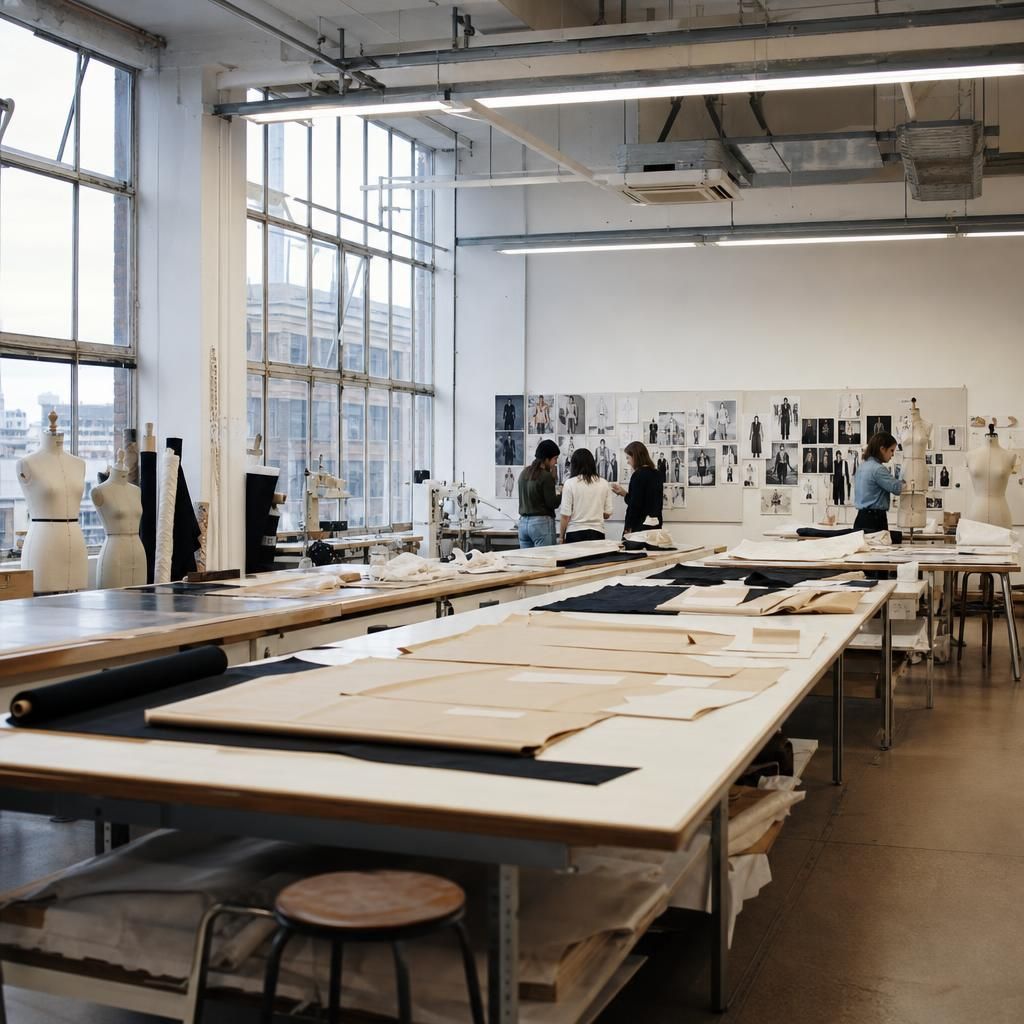
When comparing the best fashion design schools in london, check workshop access, sample-making facilities, digital resources, and how much time you spend creating. A focused boutique setting can feel very different from a larger institution. The right environment is the one where you can work seriously and receive close support.
If you want a course list before visiting campuses, JCA’s full-time courses page gives a quick view of degree and diploma options.
Questions to Ask at Open Days or Interviews
The best fashion design schools in london should answer your questions clearly. If they cannot explain the course, support, and outcomes in simple language, treat that as a warning sign.
Open days and interviews are your chance to look past the brochure. Ask about teaching style, feedback frequency, and how projects are assessed. Also ask what happens after graduation. Strong schools are usually transparent about progression routes, student support, and what the course demands.
This is also the best moment to test fit. You are not only choosing a school. You are choosing a way of learning. If you need to compare a boutique academy approach with larger university-style provision, JCA’s fashion school in London guide can help frame the conversation.
Use these questions:
- How much one-to-one feedback will I receive?
- What software, machines, and studio access do students use?
- How is portfolio development built into the course?
- Which graduate destinations are most common?
- What support exists for international students or career changers?
- How do you help students prepare for applications, placements, or business launches?
If a school gives vague answers, keep digging. The best fashion design schools in london should be able to explain their teaching approach, not just their brand identity.
If you want a visual overview before visiting schools, this video from World Scholarship Forum is a useful starting point for broad comparison:
For applicants who are starting with little experience, this second video is especially reassuring because it shows that beginners can still build a strong path into fashion school:
How hard is it to get in?
Admission difficulty depends on the school, the course, and the strength of your portfolio. Some applicants focus too much on prestige and not enough on preparation. In most cases, strong work, clear motivation, and a well-presented application matter more than panic.
Why JCA Appeals to Aspiring Designers and Entrepreneurs
JCA appeals to students who want a boutique, hands-on education with a strong fashion business perspective. It is designed for applicants who want to make work, shape a point of view, and understand how fashion becomes a brand.
That matters when comparing the best fashion design schools in london, because not every institution balances creativity and entrepreneurship in the same way. JCA offers routes for foundation, undergraduate, postgraduate, and short-course learners. That range is useful for students at different stages.
For example, a foundation student may need guided portfolio development. A degree applicant may want deeper design thinking and branding knowledge. A postgraduate learner may want sharper business strategy and innovation support. JCA’s pathway structure reflects those different needs. You can explore the available options through the pre-application form if you are ready to ask specific admissions questions.
The academy also connects fashion design with commercial thinking. That is important for applicants who want more than technical training. In modern fashion, designers need to communicate ideas, understand audience, and consider how a collection lives beyond the studio. The best fashion design schools in london should support that wider thinking.
If you are drawn to luxury, product development, or accessories, JCA’s accessories design course and luxury fashion design course show how niche specialisms can deepen your direction. That kind of focus can help you build a more distinctive portfolio and a clearer career path.
In short, JCA is compelling because it treats fashion education as both creative training and strategic preparation. That is exactly what many serious applicants want from the best fashion design schools in london.
What kind of student thrives here?
Students who thrive at JCA usually want close feedback, practical learning, and a clear route from idea to outcome. They often value entrepreneurship, branding, and the chance to build a portfolio that feels commercially aware as well as creatively strong.
How to Decide Which Fashion School Is Right for You
The best fashion design schools in london are the ones that fit your stage, strengths, and goals. The right choice becomes clearer when you compare course content, support, and the kind of work you want to produce.
Begin with honesty. Are you a beginner, a portfolio builder, or a student ready for degree-level work? Do you want a broad creative education or a course with a specific commercial focus? Your answer will narrow the field quickly.
Then compare four things side by side:
- Course structure and specialism
- Feedback and studio support
- Entry requirements and admissions help
- Career direction after graduation
Next, think about your preferred learning style. Some students thrive in large, independent environments. Others do better in smaller, more focused settings. Neither is automatically better. The best fashion design schools in london are the ones that help you stay motivated and improve consistently.
Also consider practical timing. If you need a route that helps you prepare for a degree, build a portfolio, or develop your confidence before a longer course, a foundation or short course may be the smarter first step. JCA’s short courses can be useful for testing creative direction before committing to a longer programme.
Finally, trust the quality of the conversation. Good schools answer questions directly, show you student work, and explain how they support progression. That transparency is often the strongest sign you have found a good fit.
A simple decision rule
If a course helps you make better work, understand your direction, and feel confident about your next step, it is probably a strong match. If it only sounds impressive, keep comparing. That is the safest way to choose among the best fashion design schools in london.
Frequently Asked Questions
These FAQs give quick, direct answers to the questions applicants ask most often about the best fashion design schools in london.
What is the #1 fashion school in the world?
There is no single universal #1 fashion school, because rankings change and different lists use different criteria. The best fashion design schools in london should be judged by fit, teaching style, and outcomes rather than one global title.
Is London fashion school hard to get into?
It can be competitive, but difficulty varies by school and course. The strongest applications usually show clear motivation, relevant creativity, and a portfolio that reflects effort and potential. Preparation matters more than perfection.
What school has the best fashion design program?
The best program depends on your goals. If you want design, branding, business, or accessories in one place, compare how each course balances studio work with commercial understanding. That is the fairest way to judge the best fashion design schools in london.
How expensive is London College of Fashion?
Costs vary by course, level, and student status, so there is no single fixed answer. Instead of relying on broad assumptions, compare tuition, materials, travel, and living costs across the schools you are considering. That gives you a more realistic budget picture.
Which course should I choose if I want to launch my own label?
Choose a course that combines design development with branding, strategy, and entrepreneurship. That mix will usually serve you better than a purely technical route if you want to build a label after graduation.
Key Takeaways
- The best fashion design schools in london are the ones that match your goals, not just the most famous names.
- Compare course specialism, portfolio support, industry tutors, entrepreneurship, and facilities before applying.
- Ask direct questions at open days so you can judge teaching quality and student support clearly.
- JCA stands out for applicants who want hands-on fashion training with branding and business focus.
- A good fashion school should help you build better work, a stronger portfolio, and a clearer next step.
Frequently Asked Questions
What should I compare when looking at the best fashion design schools in london?
Compare course specialism, portfolio support, tutor experience, studio access, and employability support. Those factors tell you far more than a school’s name alone. The best fashion design schools in london help you grow creatively and prepare for the next step.
Are the best fashion design schools in london only for students with experience?
No. Many schools support beginners, foundation students, and career changers. A strong course should help you build confidence, improve your work, and develop a portfolio from your current level.
Should I choose a boutique academy or a large university?
Choose the environment that suits your learning style. Boutique academies often offer closer feedback and a more focused experience, while larger institutions may offer broader structures. The best fashion design schools in london are the ones that match your goals.