
Fashion Design University in London: Degree Pathways for Future Designers
Quick Answer
A fashion design university london pathway should help you build creative skill, technical confidence, and a clear career direction. The best route combines design studio learning, portfolio development, and industry awareness, so you graduate with more than sketches: you leave with a usable body of work and a plan for the next step.
If you are searching for a fashion design university london option, you are probably looking for more than a label. You want degree-level teaching, strong studio practice, and a route into the fashion industry that feels practical as well as creative. That is exactly why students compare course pathways, entry requirements, and outcomes before they apply. At JCA London Fashion Academy, the focus is on helping future designers study fashion in London through structured degree routes, portfolio support, and entrepreneurship-led learning. If you are still exploring what the journey looks like, start with Study Fashion in London for a clear overview of the options. In this guide, we will break down what a fashion design university london pathway should include, how JCA’s BA routes are structured, what admissions teams usually look for, and how a fashion degree can support both creative and business goals. We will also answer common questions about cost, prestige, and whether fashion school is worth it.
Studying Fashion Design at Degree Level in London
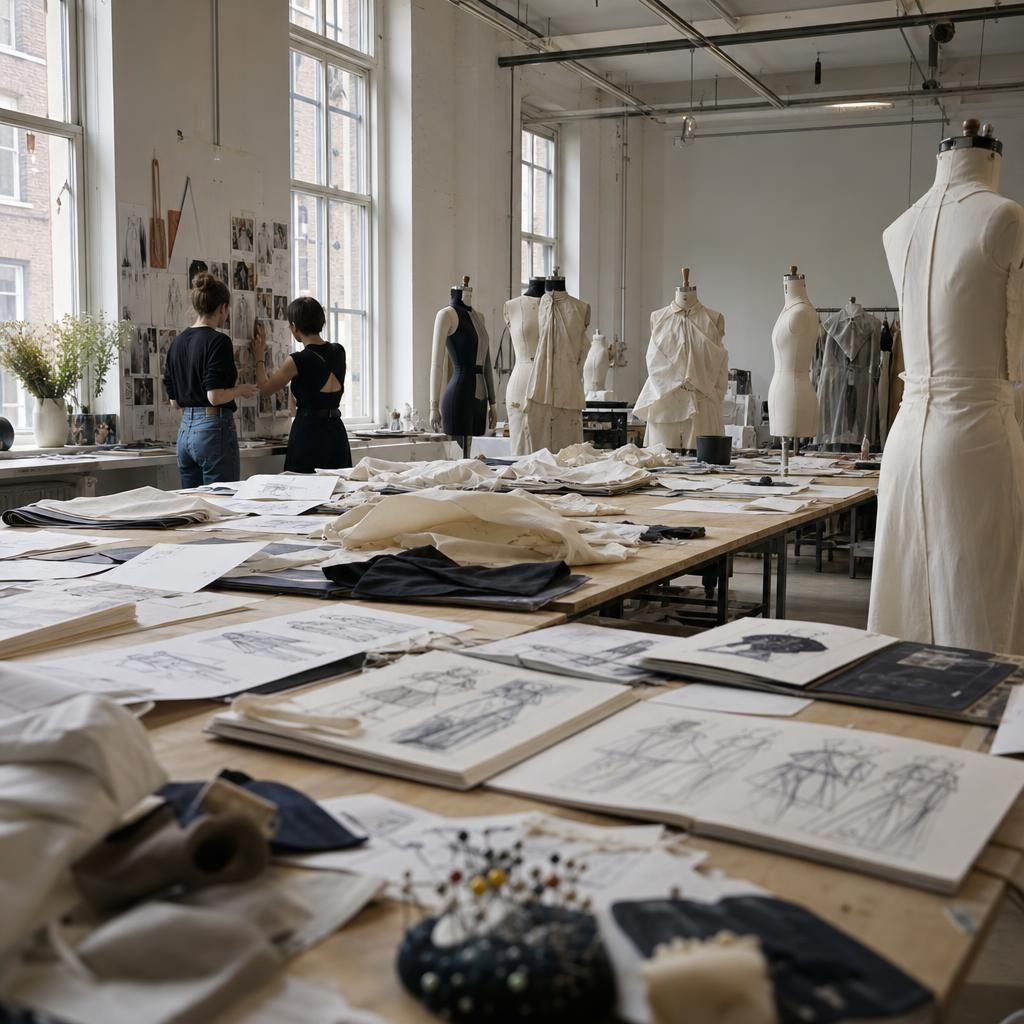
A fashion design university london course should give you a serious design education and a direct path into the creative industries. In practice, that means studio teaching, guided research, pattern and garment development, portfolio building, and exposure to how fashion works in the real world.
London is a strong study location because it connects you to culture, buyers, brands, and diverse creative communities. However, location alone is not enough. You still need a course that develops your technical ability, concept thinking, and professional habits. If you want a broader view of course routes, Fashion Courses in London is a useful place to compare degrees and shorter study options.
A strong fashion design university london pathway should also reflect how the industry now works. Designers often need more than one skill set. They may design collections, present ideas visually, understand production, and communicate a brand story. Therefore, the best degree pathways often connect design with branding, business, and strategy.
For context, you can also review how other London providers frame degree-level study. The BA (Hons) Fashion Design at the University of East London and the Fashion BA at London Metropolitan University show how degree pages usually explain outcomes, modules, and entry paths. That same level of clarity matters when choosing a fashion design university london route.
For many students, the real question is not only where to study, but what kind of designer they want to become. A good programme should help answer that early, then build toward it step by step.
BA Fashion Design Pathways at JCA
At JCA, the fashion design university london journey is built around degree pathways that combine creativity with employability. That matters because students often want a course that feels artistic, but also leads somewhere clear.
The main idea is simple: you should be able to grow as a designer while also learning how fashion brands operate. That is why JCA’s degree-level routes include design, branding, strategy, and entrepreneurship. If you want to explore the full offer, visit Full Time Courses.
A fashion design university london course should not isolate you from the industry. Instead, it should help you understand how ideas become collections, how collections become brands, and how brands reach customers. JCA’s structure reflects that logic. It suits students who want to build a creative identity and learn how to turn it into a career.
For students comparing routes, JCA also provides a detailed overview of its degree culture on JCA Academy. That can help you understand admissions, programme style, and student experience before you apply.
Below are the two BA pathways most relevant to degree-seeking students searching for a fashion design university london option.
Fashion Design, Branding and Entrepreneurship
This pathway is ideal if you want to design clothing and also understand how to build a fashion label. It blends creative development with brand thinking, so you learn how to shape a collection and communicate its value.
A fashion design university london course with this focus helps students think beyond the garment. You may explore brand identity, audience, visual language, and launch strategy. As a result, your work becomes more commercially aware without losing originality.
This route is especially useful for students who dream of running their own label. It also suits career changers who want structured, degree-level training with an entrepreneurial edge.
Fashion Design and Accessories
This pathway is for students who want to specialise in accessories, styling through product detail, or broader fashion object design. Accessories often require strong technical focus, careful material selection, and a sharp understanding of market positioning.
A fashion design university london pathway in this area gives you room to experiment while building a specialist portfolio. It can be a smart choice if you want to stand out with a niche practice.
Students often benefit from seeing real product examples too. JCA’s designer dresses collection shows how design ideas can translate into finished pieces with identity and polish.
Entry Requirements and Portfolio Expectations for a Fashion Design University London Course
The best fashion design university london applications show creative potential, not just finished perfection. Admissions teams usually want to see curiosity, commitment, and evidence that you can develop ideas.
Your portfolio should feel personal and well considered. It does not need to be overloaded. Instead, it should show how you think, observe, research, and experiment. If you need help before applying, Fashion Portfolio Course guidance can help you organise your work more effectively.
A strong portfolio for a fashion design university london application often includes:
- Sketches that show exploration, not only final drawings
- Research pages with visual references and inspiration sources
- Garment, accessory, or textile experiments
- Examples of pattern, construction, or drape thinking
- Personal projects that reveal your point of view
You should also be ready to explain your interests clearly. Why fashion? Why now? Why this course? Those questions matter because degree providers want students who will engage fully with the programme.
If you are unsure about your next step, the Pre Application Form can help you start the conversation early. That is often useful for international applicants, mature students, and anyone returning to education after a break.
A fashion design university london route is rarely only about grades. It is usually about readiness. That means showing you can work, reflect, improve, and commit to a creative process. If you can do that, your application becomes much stronger.
What do you learn in a fashion design university london programme?
A fashion design university london programme should teach both making and thinking. In other words, you should learn how to build garments or concepts, and also how to justify your creative decisions.
This balance is important because fashion is both artistic and practical. Students need to understand shape, fit, fabric, presentation, and audience. They also need feedback, critique, and iteration. That is how studio-based learning becomes professional learning.
JCA’s teaching style is designed to be hands-on and reflective. It aims to help students connect imagination with execution. For a wider look at the academy’s approach, Fashion Academy London explains how study, branding, and entrepreneurship fit together.
Common learning themes in a fashion design university london course may include:
- Creative research and concept development
- Fashion illustration and visual communication
- Pattern cutting, garment construction, and sampling
- Material and textile exploration
- Portfolio development and presentation skills
- Branding, audience, and market awareness
Research also matters. If you want to understand how different fashion schools present their courses, the best fashion schools in London guide offers useful context on the wider study landscape. Meanwhile, the BA (Hons) Fashion page from Ravensbourne University London is an example of how specialist institutions explain fashion study structure.
The key takeaway is this: a fashion design university london course should give you a process you can repeat after graduation. That process becomes your career foundation.
Assessment and Student Work
Assessment in a fashion design university london course should reward development, originality, and professional presentation. It should not only test the final outcome.
That is important because fashion design is iterative. Students learn by trying, refining, and presenting work in stages. A strong programme gives you feedback on idea generation, technical execution, and how well your work communicates.
In practice, this usually means coursework, project-based assessment, presentations, and portfolio reviews. The best environments help students show a clear design voice. They also teach how to talk about ideas with confidence.
JCA’s approach is especially relevant for students who want a visible outcome from their study. A fashion design university london pathway should leave you with work that can support applications, interviews, or even early brand development. That is why curated outputs and presentation matter so much.
If you are comparing study costs, the topic is broader than tuition alone. London students also need to think about materials, travel, and living expenses. For a practical starting point, see Fashion School London Prices. It helps frame the financial side of studying fashion in the city.
A good fashion design university london experience should make your progress visible. You should be able to show where you started, what changed, and how your work matured. That story is valuable to employers, clients, and postgraduate admissions teams alike.
Career Outcomes After a Fashion Design Degree
A fashion design university london degree can support many career directions, not just one. Graduates may move into design roles, styling, product development, fashion brand work, or independent creative practice.
The strongest outcomes usually come from students who build both a portfolio and a point of view. That is because employers and clients respond to work that feels distinct and purposeful. A degree can help you develop that clarity.
JCA’s pathways also recognise that many students want to create or grow their own label. That is why business thinking matters. If you are interested in strategy, the BSc fashion management London route is useful for understanding the wider commercial side of fashion.
Similarly, students with entrepreneurial goals may want to progress to postgraduate study. The MA fashion entrepreneurship route extends that design-and-business mindset into brand innovation.
A fashion design university london qualification is most useful when it leads to a next step. That step might be employment, freelance work, a brand launch, or further study. The point is not only to graduate. It is to graduate with momentum, contacts, and a body of work that can travel with you.
That is why students should look beyond course titles. They should ask what the course helps them become.
How to Apply
The application process for a fashion design university london course should feel clear, not intimidating. Start by checking the course pages, reviewing entry guidance, and preparing your portfolio thoughtfully.
If you are serious about applying, the best first move is to gather your work and ask for advice early. You can do that through the Pre Application Form, which helps you start a conversation before making a final decision.
A useful application checklist includes:
- Your most relevant creative work
- A short explanation of your interests
- Academic documents, if required
- Any questions about entry level or pathway fit
- Notes on finance, visas, or study timing
If you want to keep exploring before you apply, the main JCA London Fashion Academy site is the best place to compare routes, short courses, and degree-level programmes.
For students who want extra preparation, short courses can help build confidence before full-time study. They are also useful for career changers who want to test their interest first. That makes the wider JCA ecosystem valuable, because a fashion design university london journey does not have to start at one fixed point.
In short, apply when your work is ready enough to show your thinking, not just your finished pieces. That is usually the most persuasive approach.
Key Takeaways
- A fashion design university london course should combine creative practice, technical skill, and career preparation.
- JCA’s BA routes are designed to connect fashion design with branding, entrepreneurship, and strategy.
- Portfolios matter more than perfection; they should show process, curiosity, and potential.
- London is a strong place to study fashion, but the right course fit matters more than location alone.
- A good fashion degree should leave you with work, confidence, and a clear next step.
Frequently Asked Questions
What is the best university for fashion design in the UK?
There is no single best choice for every student. The right fashion design university london or UK course depends on your goals, whether you want a highly conceptual route, a technical design focus, or a programme that also teaches branding and entrepreneurship. Look at teaching style, portfolio support, industry links, and how well the course matches your career plan.
What are the best colleges in London for fashion designing?
The best option is the one that matches your creative direction and level of study. A strong fashion design university london choice should offer studio learning, clear progression, and evidence of student outcomes. Compare course content, assessment style, and whether the programme supports both design skill and professional preparation.
How much does it cost to study fashion in London?
Costs vary by institution, course level, materials, and living expenses. A fashion design university london student should budget for tuition as well as studio supplies, travel, and day-to-day living in the city. The most reliable approach is to review each school’s fees page and ask about the full cost of study before applying.
What is the top 1 fashion design university in the world?
There is no universal number one that suits every student. Rankings change depending on the criteria used, such as reputation, research, industry links, or graduate outcomes. If you are choosing a fashion design university london option, focus on course fit, teaching quality, and the kind of portfolio you want to build.
Is a fashion design degree worth it?
It can be worth it if you want structured training, portfolio growth, and access to a creative network. A fashion design university london degree is most valuable when it helps you build real work, sharpen your voice, and prepare for employment, freelance work, or your own label.