
Fashion Design Courses in London: How to Choose the Right Route

JCA London Fashion Academy • August 7, 2026

Quick Answer

Fashion design courses london vary from short courses to undergraduate and postgraduate routes, so the best choice depends on your goals, portfolio level, and how much business training you want. If you want design plus brand-building and entrepreneurship, JCA is a strong fit because it combines creative fashion practice with commercial thinking.

If you are comparing fashion design courses london, the right choice is not just about prestige. It is about the route that matches your creative level, your time frame, and the career you want next. Some learners need a foundation year. Others want a degree, a master’s, or a flexible short course that fits work and family life. The best route should strengthen your design voice and move your portfolio forward.

That is why this guide looks at fashion design courses london through the lens of outcomes. You will see how different course types work, what to check before you apply, and where brand-building matters as much as pattern cutting. If you want a route that connects design with entrepreneurship, explore JCA’s full-time courses and JCA’s short courses as you compare your options. For a broader overview of JCA’s offer, visit Fashion Academy London at JCA.

Types of fashion design courses london applicants should compare

Fashion design courses london fall into three main groups: undergraduate degrees, postgraduate programmes, and short courses. Each serves a different stage of development. The best route depends on whether you are building core skills, deepening your specialism, or testing fashion study before committing to a longer programme.

If you are a school leaver or career starter, a foundation or undergraduate route often makes the most sense. If you already have creative experience, a postgraduate course can help you refine your direction. Meanwhile, short courses suit learners who want focused training, faster portfolio development, or a flexible way to upskill.

A useful comparison can start with course structure, not just course name. For example, the fashion undergraduate degree courses in London landscape shows how varied study can be. Some routes are broad and academic. Others are studio-led and highly practical. Likewise, the fashion courses in London market includes options aimed at different levels and schedules. That variety is useful, but it also means applicants need a clear filter.

When you compare fashion design courses london, ask three questions:
- Will this course improve my portfolio?
- Does it teach both design and industry context?
- Will it help me move toward employment, freelance work, or my own label?

If the answer is yes, the route may be worth deeper consideration. If not, keep searching.

For a student view of daily study life, watch this short vlog by Rosie 若希 on a fashion design course experience. It helps you picture the pace, workload, and creative tasks that often shape the student journey.

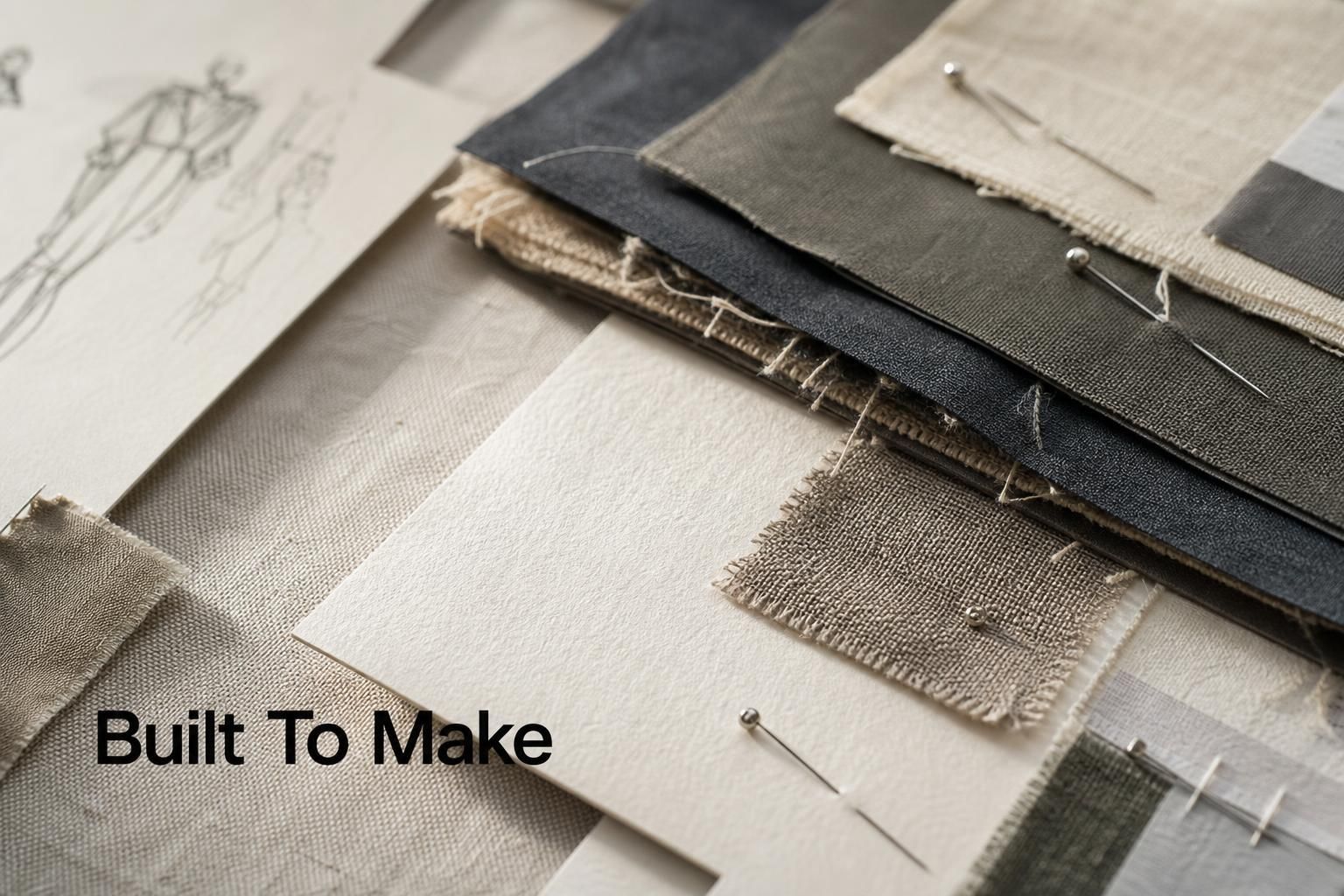
Fashion student pinning pattern pieces in a London studio 

Undergraduate degrees

Undergraduate fashion design courses london are usually best for applicants who want a full creative education. They normally blend drawing, research, construction, and concept development. In strong programmes, students also learn presentation skills, communication, and how to build a professional portfolio.

This route suits learners who want time to develop their ideas properly. It is also a good choice if you are still discovering your signature style. A degree can give you structure, critique, and repeated studio practice. Those elements matter when you are learning to translate ideas into finished garments.

Postgraduate fashion programmes

Postgraduate fashion design courses london are designed for graduates and experienced creatives who want sharper direction. They usually ask for stronger self-management and a more focused proposal.

This route is ideal if you already have a design background and want to specialise further. It can also help if you are moving toward fashion entrepreneurship, concept development, or a brand-led practice. The right postgraduate course should challenge your ideas and help you articulate a professional point of view.

Short courses and summer schools

Short courses are often the fastest way to test fashion study in London. They work well for beginners, working creatives, and international students who need a flexible format.

Many fashion design courses london in the short-course category focus on one skill at a time. That might be illustration, garment making, styling, or portfolio preparation. If you want to build confidence before applying for a longer programme, short courses are a practical first step.

What to look for in fashion design courses london

The best fashion design courses london are not just creative. They are structured, relevant, and clearly linked to outcomes. A strong course should help you make better work, think more critically, and understand where your creative direction fits in the industry.

Start with the curriculum. Then look at the teaching style, the studio environment, and the kind of graduate the course is designed to produce. If you want to study in a way that is hands-on and commercially aware, that combination matters more than a famous name alone.

A good benchmark is whether the course teaches both craft and context. You should expect design development, technical skill-building, and regular feedback. You should also see evidence of industry awareness, from presentation standards to brand thinking. JCA’s approach reflects this blend, especially across JCA Academy and its fashion study pathways.

It also helps to look at how a provider presents its learning journey. For example, the short courses from The School of Fashion and Design show how focused learning can be organised around specific goals. You do not need the same model, but you do need clarity.

Before you apply, check these points:
- Is the curriculum balanced between creative and technical work?
- Do students produce portfolio-ready outcomes?
- Are there live briefs, critique sessions, or industry links?
- Is there room to develop your own fashion identity?
- Does the course support careers, freelance work, or business creation?

If you are comparing fashion design courses london for commercial potential, these details matter. They reveal whether the course is teaching you how to design, or teaching you how to build a future.

Curriculum and module depth

Curriculum depth shows whether a course goes beyond surface-level creativity. Strong fashion design courses london usually include research, concept generation, construction, and presentation. Some also add fashion communication, brand strategy, or business planning.

If you want a wider career path, look for modules that help you connect design with market understanding. That is especially important for students who may want to launch a label, work in creative direction, or move into product development.

Industry access and studio learning

Studio learning matters because fashion is learned by doing. The best fashion design courses london give you access to making, testing, fitting, and refining in real time.

Industry access matters too. Guest talks, live projects, and feedback from working professionals can help you understand how fashion works outside the classroom. That experience often makes a portfolio feel more current and more employable.

Portfolio development and career outcomes

Portfolio development should sit at the heart of fashion design courses london. You are not only collecting finished pieces. You are proving your process, judgement, and design potential.

Career outcomes should also be clear. Some learners want jobs in design teams. Others want to continue into postgraduate study. Many want to build a label. A strong course should support all three directions through guided development and honest feedback.

Fashion design, fashion business or fashion entrepreneurship?

Fashion design courses london can lead to very different futures, so the best route depends on what you want to do after graduation. If you want to become a designer, focus on construction, concept, and creative direction. If you want to manage a label or launch your own brand, you also need business, branding, and strategy.

This distinction matters. A student who only wants technical design may not need heavy business content. However, a student who wants independence will benefit from learning pricing, audience positioning, product storytelling, and launch planning. That is where entrepreneurship becomes valuable.

JCA is distinctive because it treats fashion as both a creative and commercial discipline. That is especially relevant for applicants who want fashion design plus brand-building. Programmes such as the full-time courses at JCA connect hands-on design with entrepreneurial thinking. As a result, students can shape collections and understand how those collections become a brand.

For inspiration, many applicants also look at fashion products and luxury collections. JCA’s dresses page gives a sense of the brand’s aesthetic direction and how design can translate into a finished product.

For another course perspective, this official University of Westminster overview shows how a London fashion degree can combine structure, studio practice, and industry focus. It is useful for comparing different study models.

When you compare fashion design courses london, ask whether the course prepares you for one of these outcomes:
- working as an assistant or junior designer
- building a freelance creative practice
- creating a fashion label
- progressing into fashion marketing, management, or communications

If your answer is “I want both design and business,” then a brand-led route is likely a better fit than a purely technical one.

How JCA approaches fashion design courses london

JCA offers fashion design courses london for students who want creativity, industry awareness, and entrepreneurial thinking in one place. That combination is central to the academy’s identity. It is also what makes JCA relevant to comparison-stage applicants who are not just choosing a course, but choosing a direction.

At JCA, students can explore routes that suit different ambitions. The Foundation Diploma in Fashion supports early-stage learners. Undergraduate study builds deeper design and brand capability. Postgraduate and short-course options serve learners who want to refine expertise, switch direction, or strengthen a portfolio.

The educational approach is practical and contemporary. Students are encouraged to develop original ideas, present them professionally, and think about how fashion functions as a business. That makes JCA especially appealing for applicants who want to move beyond “can I design?” to “can I build something lasting?”

If you are still exploring your next step, start with JCA’s pre-application form. It is a useful way to begin a conversation about fit, readiness, and programme choice. You can also browse the full-time courses page to compare study routes in more detail.

For students who need flexibility, the short courses page shows how JCA also supports part-time development. That matters for working creatives and international learners who need a more adaptable schedule.

In practical terms, JCA suits applicants who want fashion design courses london with a clear creative identity and a commercial edge. It is a strong match if you want to learn how to design garments and shape a brand story at the same time.

Entry requirements, portfolio expectations and how to apply

Entry requirements for fashion design courses london vary by level, but most schools want to see creative potential, commitment, and a willingness to learn. Some routes ask for formal qualifications. Others focus more heavily on portfolio, interview, or personal statement.

A strong portfolio should show more than polished final work. It should reveal how you think. Include sketches, research pages, development work, material exploration, and finished outcomes if you have them. If you are applying with limited experience, show curiosity, experimentation, and visual awareness.

For many applicants, the biggest mistake is waiting too long to ask for guidance. That is why pre-application support matters. It helps you understand whether your current work suits the level you want to enter and whether you should consider a foundation route first.

If you are preparing for fashion design courses london, focus on these steps:
- review the course level carefully
- gather varied examples of creative work
- write a clear statement of intent
- check whether the course expects technical knowledge
- ask for admissions guidance early

London is a competitive city for creative education, so fit matters. A course should match your current stage and your long-term plan. If you want help with that decision, use JCA’s pre-application form before you submit a full application.

Fashion design courses london are easier to choose when you understand the outcome you want. Once that is clear, the right route becomes much easier to identify.

Key Takeaways

  • Fashion design courses london should be chosen by outcome, not reputation alone.
  • Undergraduate, postgraduate, and short-course routes suit different stages of study.
  • A strong course balances creative development, technical skill, and industry awareness.
  • JCA is a good fit for students who want fashion design plus brand-building and entrepreneurship.
  • Portfolio quality, entry requirements, and flexible support all matter when applying.

Frequently Asked Questions

How much does it cost to study fashion design in London?

The cost of fashion design courses london depends on the level, length, and provider. Short courses usually cost less than full degrees, while undergraduate and postgraduate study is a larger investment. Because fees vary widely, the best approach is to compare the exact programme you want and check whether it includes studio access, materials guidance, and portfolio support.

What is the best fashion design school in London?

The best school depends on your goals, not just the reputation of the name. If you want fashion design courses london that also build brand thinking and entrepreneurship, choose a school whose teaching style, course structure, and graduate outcomes match that ambition.

What are the best fashion designing courses available in the UK?

The best fashion design courses london and across the UK are the ones that balance creativity, technical skill, and career relevance. For some learners, that means a foundation or degree. For others, it means a short course, postgraduate study, or a business-focused route.

Which course is best for fashion design?

The best course depends on your stage. Beginners often benefit from foundation or undergraduate fashion design courses london, while experienced creatives may prefer postgraduate study or a short specialist course.

JCA Academy: Programmes, Admissions, Industry Links and Student Life
By JCA London Fashion Academy August 6, 2026
JCA Academy is the simplest way to understand JCA London Fashion Academy in one place. If you are comparing fashion schools, planning your next step in creative education, or looking for a route into fashion business and design, JCA Academy helps you see the full picture without jumping between social feeds, company records and scattered pages. It is a branded hub for programmes, entry guidance, campus life and creative ambition. For a quick overview of the academy, you can also explore JCA…
Fashion Academy London: Study Fashion, Brand Innovation and Entrepreneurship at JCA
By JCA London Fashion Academy August 5, 2026
If you are searching for a fashion academy London students can trust for creative ambition and business-minded training, JCA London Fashion Academy stands out for a very specific reason: it blends fashion design with entrepreneurship. That matters if you want more than technical skill. It matters if you want to build a label, shape a brand, or understand how luxury fashion really works. JCA is designed for aspiring designers, creative founders, and career changers who want studio-based…
By Jenny Wang February 12, 2026
London, UK – 13 th February 2026 - JCA | London Fashion Academy, the boutique fashion education institution founded by Professor Jimmy Choo OBE, has announced a strategic partnership with, Lattice Advisory, Education Cubed and UniQuest (part of Keystone Education Group), to accelerate growth across JCA’s home and international student markets. The partnership will focus on strengthening recruitment performance across JCA’s course portfolio by combining Lattice Advisory’s proprietary Trend Pulse™ insight platform with its deep sector expertise in student recruitment and marketing. Lattice Advisory will be overseeing the whole programme and will be working with the expert higher education digital media specialists Education Cubed and student conversion experts UniQuest. Education Cubed will deliver data-driven education marketing activity, while UniQuest will contribute expertise in enquiry management, admissions and conversion. The collaboration will support JCA in identifying early shifts in student demand, refining market positioning, driving interest and enhancing conversion outcomes in key UK and global markets. Located in the heart of London, JCA | London Fashion Academy is known for its distinctive model that bridges academic rigour with industry-embedded learning. The Academy prepares students for careers as designers, entrepreneurs and creative leaders through hands-on practice, industry engagement and close alignment with current and emerging fashion trends. Andrew Ginn, CEO and Principal for JCA | London Fashion Academy commented: “I am delighted that we now have a partnership with three extremely successful organisations in the world of higher education marketing and student recruitment. JCA is a unique, high quality ‘boutique’ Fashion institution, so this bespoke collaboration is a perfect fit for us” Lucy Choi, Director for JCA | London Fashion Academy and successful fashion entrepreneur said: “This partnership marks an important step in our growth journey. Being based in Mayfair, London places us at the centre of global fashion, culture and creativity, and our ambition is to expand our reach while remaining closely aligned with UK and global industry priorities. Working with Lattice Advisory, Education Cubed and UniQuest, will enable us to continue our growth and ensure we continue to attract talented students who will thrive in, and contribute to, the global fashion industry.” Commenting on the partnership, Mark Garratt FCIM and Ayyaz Mir, Managing Partners of Lattice Advisory, said:  “We are thrilled to be working with JCA | London Fashion Academy, which is doing exceptional work within the UK higher education landscape. JCA exemplifies how specialist institutions can successfully bridge academia and industry, particularly within a fast-moving sector such as fashion. It is vital that the contribution of smaller, specialist providers is recognised—not only for their local economic impact, but for the role they play in developing future leaders, entrepreneurs and innovators who make an impact both in the UK and internationally.” Jo Redfern Evans, Founder of Education Cubed said “What a joy to have the opportunity to work with JCA | London Fashion Academy. It’s an exciting proposition and with an impressive course portfolio. The Education Cubed team are looking forward to supporting Lattice and working collaboratively to raise JCA’s profile and drive growth. Adam Rennison, Executive Commercial Director of UniQuest, commented “the collaboration offers an integrated approach to student recruitment, combining insight-led strategy with effective engagement across the full student journey. It’s an exciting opportunity for us to work with JCA | London Fashion Academy, a specialist organisation that will provide the pipeline of future fashion talent”.