Fashion Accessories Design Course: Design Bags, Footwear and Luxury Accessories
Quick Answer
A fashion accessories design course teaches you how to design and develop bags, footwear, and luxury accessories with a strong focus on creativity, materials, construction, and brand identity. At JCA London Fashion Academy, the fashion accessories design course is especially useful for students who want a fashion career that combines product design, luxury positioning, and entrepreneurial thinking.
A fashion accessories design course is a smart route for students who want to design products people use every day, but with a luxury edge. It covers bags, footwear, and other accessories, while also building the creative and technical skills needed to develop a market-ready collection. At JCA London Fashion Academy, the focus is not just on making attractive pieces. It is also about understanding identity, craftsmanship, and the business of fashion. If you are exploring your next step, you can start with fashion courses in London or check the wider JCA Academy pathway for design and entrepreneurship. This course cluster is especially relevant if you are drawn to luxury accessories, like the world associated with Jimmy Choo, and want a course term that is specific enough to stand out in search. A strong fashion accessories design course can help you move from interest to industry-ready thinking with purpose.
Study Fashion Accessories Design Course at JCA
A fashion accessories design course at JCA is designed for creative students who want to specialise in bags, footwear, and luxury accessories. It gives you a focused route into a niche area of fashion that is practical, aspirational, and commercially relevant.
This matters because accessories often complete the look and define the brand story. Therefore, the fashion accessories design course is ideal if you want to work at the point where design, craft, and product strategy meet. JCA’s approach also fits students who want a fashion education with a luxury mindset and entrepreneurial energy.
If you are comparing pathways, explore fashion design university in London pathways and fashion academy London study options. They help place the fashion accessories design course within a broader study plan.
For a more hands-on or shorter entry point, JCA also offers short courses. That can suit applicants who want to test their interest before committing to a full degree route.
What makes this niche attractive is its clarity. You are not trying to learn everything at once. Instead, you build depth in one specialist area. As a result, the fashion accessories design course can be a strong choice for applicants who want a distinctive portfolio and a clear creative direction.
The luxury angle is also important. Accessories are closely tied to finishing, fit, detailing, and brand perception. So the fashion accessories design course naturally appeals to students who care about refinement and presentation, not just concept sketches.
Who is this course best for?
A fashion accessories design course is best for students who enjoy product design, styling, and making. It also suits fashion entrepreneurs who want to understand how a wearable object becomes a desirable product.
If you like bags, shoes, materials, and finish quality, this route gives you a clearer focus than a broad fashion programme. Many applicants choose a fashion accessories design course because they want to specialise early and build a portfolio that feels original.
What Counts as Fashion Accessories Design?
Fashion accessories design is the creation of items that complete or enhance dress. In a fashion accessories design course, that usually includes bags, footwear, belts, small leather goods, and other luxury pieces.
In simple terms, it is the design of objects that sit between fashion and product design. That makes the fashion accessories design course both creative and technical. You are not only drawing beautiful ideas. You are also considering structure, comfort, materials, and how a product will be used.
According to the IED page on fashion, accessories and jewelry, accessories study often spans multiple product categories. That reflects the range students can explore in a fashion accessories design course.
At JCA, this specialism connects naturally to luxury brand thinking. The course is useful if you want to understand how a polished object can carry identity, status, and storytelling. The same logic also helps students interested in Jimmy Choo Fashion Academy, where accessories and luxury branding sit close together.
What counts as fashion accessories design is broader than many people expect. It is not limited to trend-led decoration. Instead, the best fashion accessories design course teaches you how to create products with form, function, and a clear market position. That is why the subject attracts both artists and practical makers.
How does accessories design differ from clothing design?
Accessories design focuses on product form, materials, construction, and use. Clothing design focuses more on silhouette, fit, and garment behaviour.
A fashion accessories design course helps you think like a product designer and a fashion creator at the same time. That dual mindset is useful in luxury markets, where detail and finish matter as much as concept.
What Skills Will You Build in a fashion accessories design course?
A fashion accessories design course develops creative, technical, and commercial skills. You should expect to improve your idea development, material awareness, and presentation ability.
This is where the course becomes valuable for both designers and entrepreneurs. You learn how to turn inspiration into a product direction that makes sense. Moreover, you start thinking about how accessories are positioned in the market.
You can also deepen your broader fashion knowledge through fashion branding course study and fashion entrepreneurship course options. Those links matter because accessories design is rarely only about making. It is also about building a believable brand world.
The fashion accessories design course usually strengthens three areas in particular: concept work, materials and construction, and luxury product development. Those areas overlap, but each one needs its own discipline. That is what makes the course so useful for serious applicants.
If you want a course that helps you move from sketch to product thinking, this specialism is a strong fit. It gives your work a more defined commercial edge, while still keeping creativity at the centre.
Concept and Research
Concept and research help you build a design story before you start making. In a fashion accessories design course, that means studying references, user needs, brand cues, and market context.
Good research prevents generic work. It also helps you justify your ideas in critiques and portfolios. As a result, your designs feel more intentional and more professional.
Materials and Construction Awareness
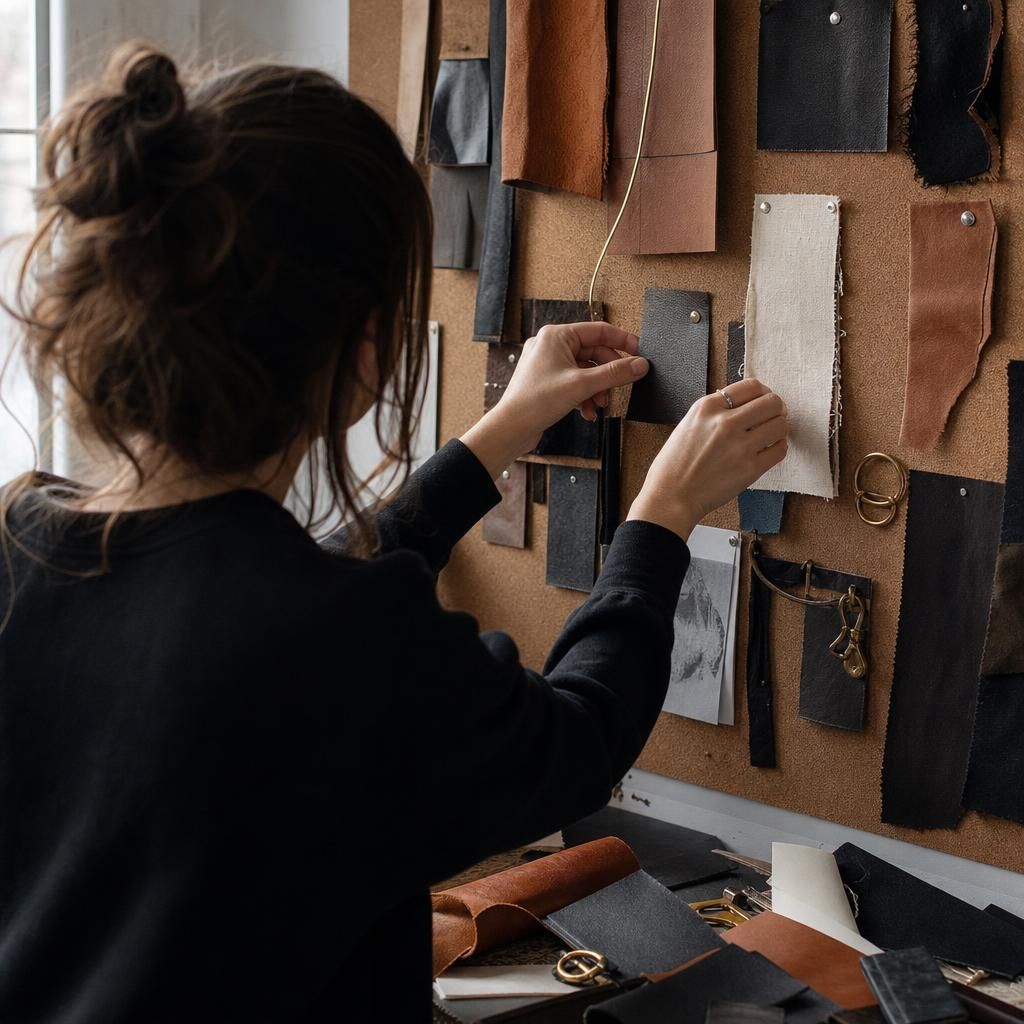
Materials and construction awareness are essential in accessories design. Bags and footwear need a real understanding of composition, durability, and finish.
A strong fashion accessories design course teaches you to think about what a material can do, not just how it looks. That knowledge improves both design quality and product feasibility.
Luxury Product Development
Luxury product development is about refinement, coherence, and detail. A fashion accessories design course should train you to value proportion, finish, and brand consistency.
If you want to study a luxury-informed route, JCA’s full-time courses can help you compare specialist options. You can also review the BA (HONS) Fashion Design and Accessories overview for a direct look at degree-level study.
Is the BA Fashion Design and Accessories the right fashion accessories design course?
Yes, the BA Fashion Design and Accessories is a strong choice if you want a degree that combines garments with specialist product design. It is one of the clearest ways to study fashion accessories design course content at undergraduate level.
This route works well for students who want breadth and focus at the same time. You still learn fashion design foundations, but you also explore accessories in more depth. Therefore, it is a practical option if you are unsure whether to specialise fully or keep a wider fashion base.
For applicants comparing pathways, JCA’s fashion design courses in London can help you see where this degree sits in the bigger picture. Meanwhile, a pre application form is a helpful next step if you want guidance before applying.
External examples can also help you understand course scope. The Accessories Design Course page and the One-Week Accessory Design Masterclass show how specialist accessories study is often framed around making and collection development.
For a visual overview of postgraduate study in this field, you can also watch the course overview video below. It helps illustrate how accessories design is taught in an academic setting.
If you are comparing a fashion accessories design course with a broader fashion degree, ask yourself whether you want a specialist identity. If the answer is yes, the BA route can be a very strong fit.
Portfolio Tips for a fashion accessories design course
A strong portfolio should show ideas, process, and specialist interest. For a fashion accessories design course, that means more than pretty images.
Your portfolio should show how you think. It should include sketch development, research pages, material experiments, and final concepts. Consequently, admissions teams can see both creativity and problem-solving.
Start with accessories you genuinely care about. That could be a bag concept, a footwear idea, or a luxury object inspired by culture, function, or brand language. Then build the story around it. If you need more structure, JCA’s fashion portfolio course and fashion portfolio feedback London resources can support your preparation.
Useful portfolio content for a fashion accessories design course includes:
- research boards showing references and themes
- hand sketches and technical drawings
- material swatches and surface explorations
- development pages that show changes over time
- a clear final concept with brand direction
You do not need a perfect portfolio. You do need a focused one. In fact, a clear specialist story often works better than a broad but shallow range. That is especially true for a fashion accessories design course, where admissions readers want to see commitment to product thinking.
For an inside view of student work rhythm and department life, the NIFT accessories design department overview below offers a useful student perspective.
Career Routes in Fashion Accessories Design Course Graduates
A fashion accessories design course can lead to several creative roles. It is a strong base for students who want to work in design studios, product development teams, or their own brand.
Graduates may move into bag design, footwear design, accessory development, trend-focused product teams, or luxury brand support roles. Some also use the course as a launchpad for independent labels. Therefore, the fashion accessories design course is both creative training and career preparation.
If you are interested in business as well as design, JCA’s MA fashion entrepreneurship and BSc fashion management London pages show how design and strategy can connect.
That matters because accessories are often brand-defining products. A bag or shoe can communicate luxury more quickly than a longer garment collection. As a result, the fashion accessories design course has strong commercial relevance for students who want to build a recognisable point of view.
This also answers a common question: which course is best for a fashion designer? The best course depends on your goal, but a fashion accessories design course is best if you want specialist product design, luxury detail, and a clearer niche. If you prefer a broad fashion route, another programme may suit you better. However, if you want depth in accessories, this course is a precise choice.
You can also explore JCA’s study fashion in London guide if you want a wider look at student life, pathways, and application planning.
Apply or Request Course Information
A fashion accessories design course is a focused option for students who want creative depth and a luxury direction. It is especially compelling if you are drawn to bags, footwear, and accessories with strong brand identity.
If you are ready to take the next step, start by requesting information, reviewing course pathways, or submitting a pre-application. JCA’s approach makes it easier to match your ambitions with the right study route. You can also explore the wider JCA London Fashion Academy site to compare programmes and creative pathways.
A fashion accessories design course is not just about learning to make things. It is about learning to design products that belong in a brand world. That is why it suits students who want fashion education with purpose, precision, and entrepreneurial potential.
If you want a course that feels specific, modern, and commercially relevant, this is one to consider seriously. The fashion accessories design course can help you define your niche before you enter the industry.
Key Takeaways
- A fashion accessories design course is a focused way to study bags, footwear, and luxury accessories.
- JCA’s approach connects accessories design with luxury thinking, branding, and entrepreneurship.
- A strong portfolio should show research, development, materials, and clear product ideas.
- The course can lead to design, product development, and brand-building careers.
- If you want a niche fashion route, a fashion accessories design course can be a smart choice.
Frequently Asked Questions
Which course is best for a fashion designer?
The best course depends on your goals. If you want a specialist niche, a fashion accessories design course is best for bags, footwear, and luxury product development. If you want broader training, a full fashion degree may suit you better. The right choice is the one that matches your portfolio strength, creative interests, and career direction.
What comes in fashion accessories?
Fashion accessories include bags, footwear, belts, and other products that complete a look. In a fashion accessories design course, you may also study luxury details, small leather goods, and related product categories. The exact mix depends on the programme, but the focus is usually on objects that support both style and function.
Is fashion a hard degree?
Fashion can be challenging, but it is manageable if you enjoy creative work and stay organised. A fashion accessories design course can feel demanding because it combines ideas, making, research, and presentation. However, many students find the structure rewarding because every project has a visible outcome.
Which country is best to study fashion design?
The best country depends on your goals, budget, and study style. London is a strong choice for many students because it offers international exposure, creative networks, and access to fashion education. If you want a fashion accessories design course with a luxury perspective, studying in London can be especially valuable.